You don't need an excuse to have beautiful nails. Step outside without worrying about the appearance of your feet.
You don't need an excuse to have beautiful nails. Step outside without worrying about the appearance of your feet.
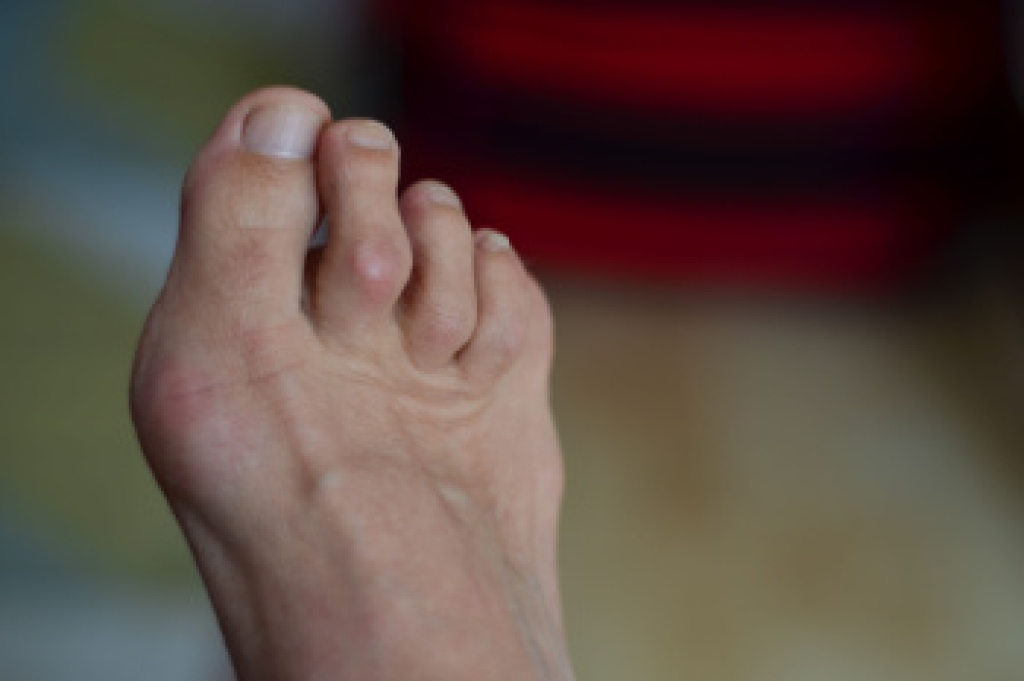
Hammertoe is a deformity that causes one of the smaller toes to bend downward at its middle joint instead of lying flat. It most often affects the second toe, although it can occur in the third or fourth toes as well. In the early stages, the toe may still be flexible, but it can gradually become stiff if the condition progresses. Common symptoms include toe pain, swelling, and redness surrounding the affected joint. Some people also develop corns or calluses where the bent toe rubs against footwear. As the deformity worsens, walking and wearing shoes may become increasingly uncomfortable. Because hammertoe can become more difficult to treat over time, an early evaluation by a podiatrist is important to determine the severity of the condition and recommend appropriate treatment.
Several factors may contribute to hammertoe, including muscle imbalance, inherited foot structure, and wearing shoes that crowd the toes. Arthritis or previous toe injuries may also increase the risk. As the toe remains bent, the surrounding tendons and joints may become tighter, making it harder to straighten the toe. This can affect the way the foot functions while walking and place additional pressure on other areas of the foot. A comprehensive podiatry examination evaluates toe alignment, joint flexibility, and overall foot mechanics. Early diagnosis allows treatment to begin before the deformity becomes rigid or causes additional foot problems.
A podiatrist specializes in diagnosing and treating hammertoe while evaluating the overall health and function of the foot. Professional care focuses on relieving pain, improving toe alignment, and helping preserve mobility. Treatment is tailored to each patient's symptoms, activity level, and the severity of the deformity. Regular follow-up visits also help monitor progression and identify changes that may require additional care. If you are experiencing toe pain, difficulty wearing shoes, or symptoms of hammertoe, it is suggested that you consult a podiatrist for an evaluation and appropriate treatment options.
Hammertoes can be a painful condition to live with. For more information, contact Dr. Ronald K. Olm of Grand Traverse Foot & Ankle Center. Our doctor will answer any of your foot- and ankle-related questions.
Hammertoe
Hammertoe is a foot deformity that occurs due to an imbalance in the muscles, tendons, or ligaments that normally hold the toe straight. It can be caused by the type of shoes you wear, your foot structure, trauma, and certain disease processes.
Symptoms
Risk Factors
Treatment
If you have hammertoe, you should change into a more comfortable shoe that provides enough room for your toes. Exercises such as picking up marbles may strengthen and stretch your toe muscles. Nevertheless, it is important to seek assistance from a podiatrist in order to determine the severity of your hammertoe and see which treatment option will work best for you.
If you have any questions, please feel free to contact our offices located in Traverse City, MI . We offer the newest diagnostic and treatment technologies for all your foot care needs.
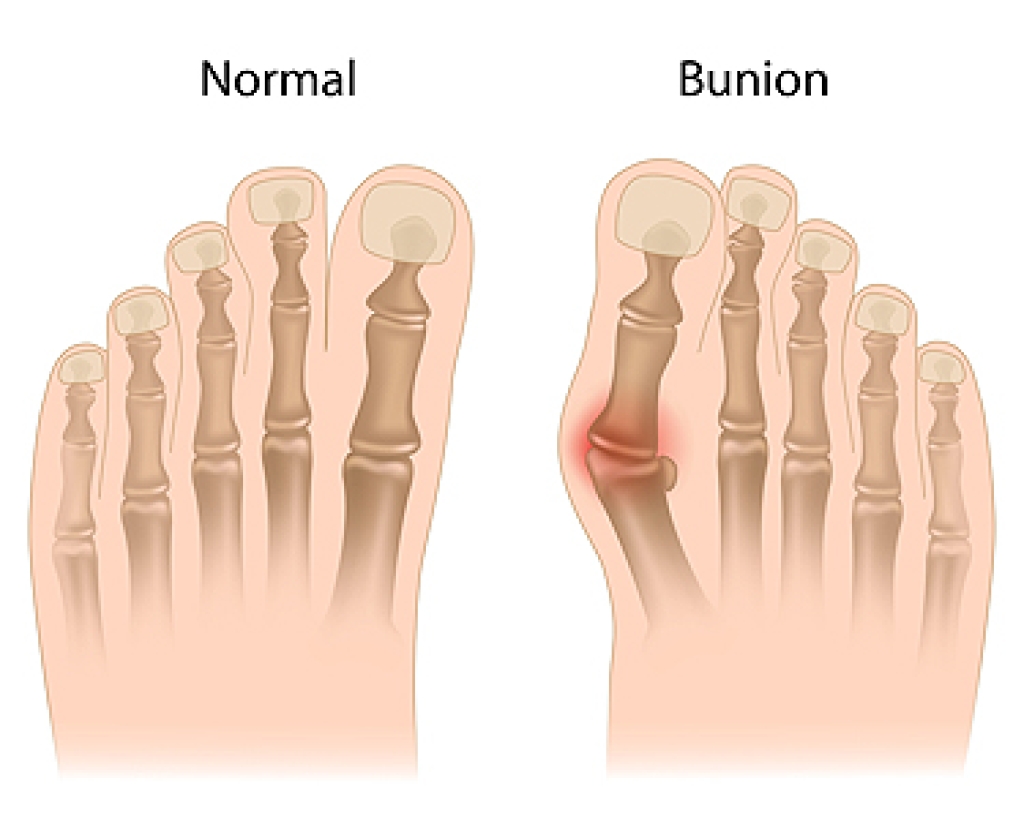
Bunions are a common foot condition that develops gradually as the big toe joint becomes misaligned, forming a prominent bump along the side of the foot. This structural change can affect balance, walking ability, and overall foot health. Bunions are known to increase in frequency with age and are especially common in women due to both biological and lifestyle factors. Recognizing how these elements contribute to bunion formation can help individuals take proactive steps to protect their feet.
The symptoms of bunions often begin with mild discomfort and progress to more noticeable pain, swelling, and stiffness in the big toe joint. The area may become tender, particularly when wearing shoes that press against the bunion. Over time, the big toe may shift toward the other toes, leading to crowding and difficulty finding comfortable footwear. These symptoms can limit mobility and reduce quality of life if not properly managed.
Risk factors for bunions include inherited foot structure, aging-related joint changes, and footwear choices. As people age, ligaments may lose strength, making the foot more prone to misalignment. Women are at higher risk due to frequent use of narrow or high-heeled shoes that concentrate pressure on the forefoot. Additional causes include repetitive stress on the feet, flat arches, and improper gait patterns. These factors work together to increase strain on the big toe joint and contribute to bunion development.
Preventive strategies include wearing supportive shoes with a wide toe box, maintaining healthy foot mechanics, and avoiding excessive pressure on the forefoot. Early attention to symptoms can help slow progression and improve comfort. Taking a proactive approach to foot care supports long-term mobility and well-being. If you have a bunion or notice worsening symptoms, it is suggested that you consult a podiatrist for effective relief and management solutions.
If you are suffering from bunion pain, contact Dr. Ronald K. Olm of Grand Traverse Foot & Ankle Center. Our doctor can provide the care you need to keep you pain-free and on your feet.
What Is a Bunion?
Bunions are painful bony bumps that usually develop on the inside of the foot at the joint of the big toe. As the deformity increases over time, it may become painful to walk and wear shoes. Women are more likely to exacerbate existing bunions since they often wear tight, narrow shoes that shift their toes together. Bunion pain can be relieved by wearing wider shoes with enough room for the toes.
Causes
Symptoms
In order to diagnose your bunion, your podiatrist may ask about your medical history, symptoms, and general health. Your doctor might also order an x-ray to take a closer look at your feet. Nonsurgical treatment options include orthotics, padding, icing, changes in footwear, and medication. If nonsurgical treatments don’t alleviate your bunion pain, surgery may be necessary.
If you have any questions, please feel free to contact our offices located in Traverse City, MI . We offer the newest diagnostic and treatment technologies for all your foot care needs.
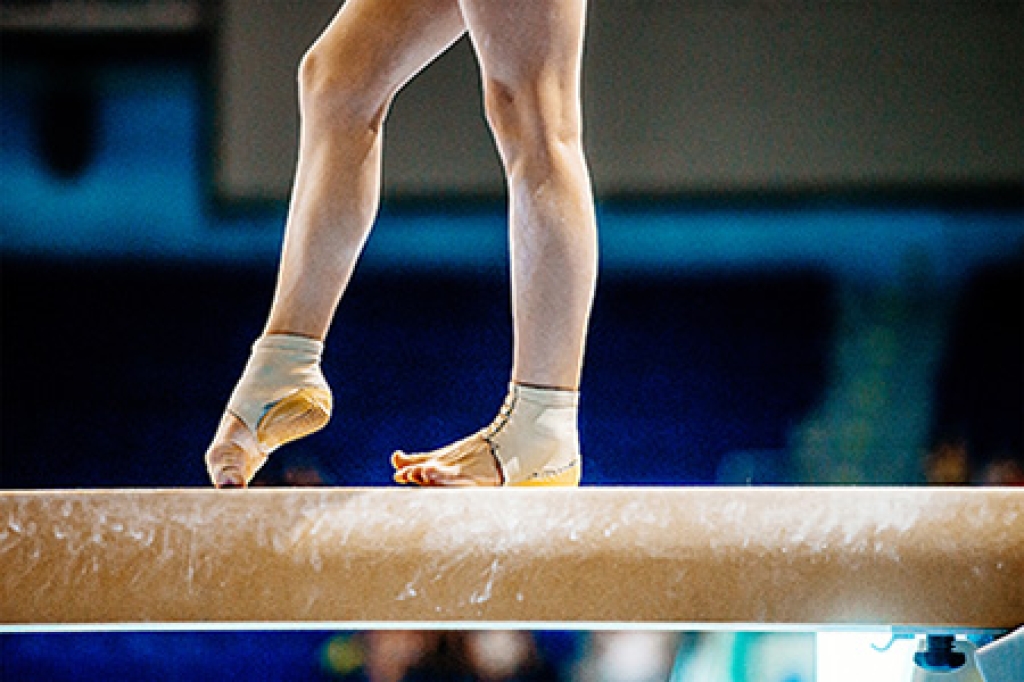
Gymnastics requires strength, flexibility, balance, and repeated impact on the feet and ankles, making athletes vulnerable to injuries. Foot or ankle injuries from gymnastics can occur from overuse, improper technique, or sudden stress during high-impact movements. Common injuries include ankle sprains and Achilles tendonitis. An ankle sprain happens when ligaments supporting the ankle stretch or tear, often during floor routines, landings, or falls from equipment such as the balance beam or parallel bars. Achilles tendonitis is inflammation of the Achilles tendon, which connects the calf muscles to the heel and often develops from repetitive stress caused by jumping and landing.
Symptoms of an ankle sprain may include pain, swelling, bruising, stiffness, and difficulty putting weight on the affected foot. Some athletes may feel instability or weakness when moving the ankle. Achilles tendonitis symptoms commonly include pain or tenderness along the back of the heel, stiffness in the morning, swelling, and discomfort that worsens during activity. Both conditions can limit performance and may become more severe if ignored.
Several risk factors increase the chance of gymnastics-related foot and ankle injuries. Repetitive training and sudden increases in activity can place additional stress on joints and tendons. Poor landing mechanics, muscle weakness, and limited flexibility can add to this strain. Wearing improper footwear or training without adequate support may also contribute to injury. Gymnasts can help reduce impact by using footwear with reinforced toes designed to absorb pressure during landing. Proper warm ups, strength training, and flexibility exercises are also important for injury prevention.
Treatment and prevention strategies depend on the type and severity of the injury. Rest, activity modification, wearing supportive footwear, and podiatric guidance can help protect the foot and ankle while promoting recovery. A podiatrist can evaluate movement patterns, identify underlying problems, and recommend appropriate treatment options. If you have a foot or ankle injury from gymnastics, it is suggested that you consult a podiatrist for an accurate diagnosis and appropriate treatment.
Ankle and foot injuries are common among athletes and in many sports. They can be caused by several problems and may be potentially serious. If you are feeling pain or think you were injured in a sporting event or when exercising, consult with Dr. Ronald K. Olm from Grand Traverse Foot & Ankle Center. Our doctor will assess your condition and provide you with quality foot and ankle treatment.
Common Injuries
The most common injuries that occur in sporting activities include:
Symptoms
Symptoms vary depending upon the injury and in some cases, there may be no symptoms at all. However, in most cases, some form of symptom is experienced. Pain, aching, burning, bruising, tenderness, tightness or stiffness, sensation loss, difficulty moving, and swelling are the most common symptoms.
Treatment
Just as symptoms vary depending upon the injury, so do treatment options. A common treatment method is known as the RICE method. This method involves rest, applying ice, compression and elevating the afflicted foot or ankle. If the injury appears to be more serious, surgery might be required, such as arthroscopic or reconstructive surgery. Lastly, rehabilitation or therapy might be needed to gain full functionality in the afflicted area. Any discomfort experienced by an athlete must be evaluated by a licensed, reputable medical professional.
If you have any questions please contact our offices located in Traverse City, MI . We offer the newest diagnostic and treatment technologies for all your foot and ankle needs.
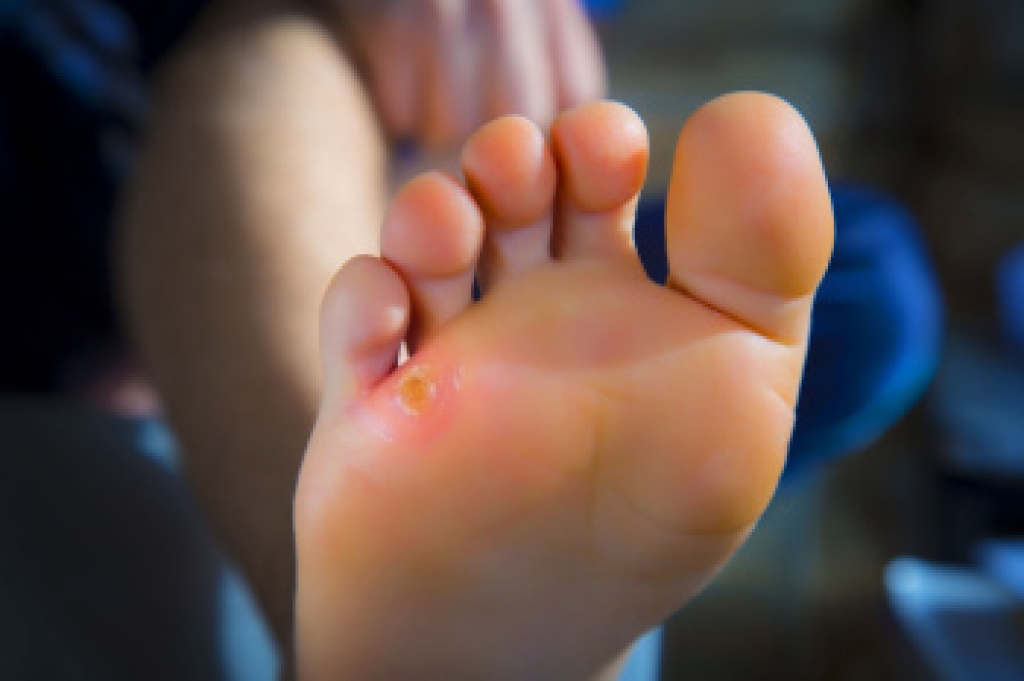
Corns are thick, hardened areas of skin that develop when repeated pressure or friction affects a specific part of the foot. Unlike a callus, which usually covers a larger area, a corn is smaller and has a firm center that can become quite painful. Corns usually form on the tops or sides of the toes or between the toes where rubbing occurs. Wearing shoes that are too tight, shoes that are too loose, and high heels can all increase pressure on the skin. Foot problems like hammertoes or claw toes also raise the risk because they change the way the toes press against shoes. As the skin thickens to protect itself, discomfort while walking can become harder to ignore.
A podiatrist can identify a corn with a careful examination and determine what is causing the repeated pressure. Finding the underlying cause is important because simply removing the thickened skin does not prevent the corn from returning. Treatment includes gently trimming the hardened skin in the office to relieve discomfort. A podiatrist can also evaluate toe deformities and explain whether surgery is the best option when a structural problem continues to create excessive pressure. Patients also receive guidance about choosing shoes with a roomy toe area and avoiding shoes that lack proper support. These steps help reduce pressure on sensitive areas and improve comfort with daily activities.
Ignoring a painful corn can make standing and walking more difficult while increasing irritation around the affected area. Early care helps relieve discomfort before the problem becomes more limiting. A podiatrist can recommend treatment that matches your foot structure and activity level while helping reduce repeated pressure on vulnerable areas. Prompt evaluation also helps identify related foot problems before they become more serious. If you have developed corns on the feet, it is suggested that you schedule an appointment with a podiatrist for a diagnosis and appropriate treatment.
If you have any concerns regarding your feet and ankles, contact Dr. Ronald K. Olm of Grand Traverse Foot & Ankle Center. Our doctor will treat your foot and ankle needs.
Corns: What Are They? and How Do You Get Rid of Them?
Corns can be described as areas of the skin that have thickened to the point of becoming painful or irritating. They are often layers and layers of the skin that have become dry and rough, and are normally smaller than calluses.
Ways to Prevent Corns
There are many ways to get rid of painful corns such as wearing:
Treating Corns
Treatment of corns involves removing the dead skin that has built up in the specific area of the foot. Consult with Our doctor to determine the best treatment option for your case of corns.
If you have any questions, please feel free to contact our offices located in Traverse City, MI . We offer the newest diagnostic and treatment technologies for all your foot care needs.