Do you suffer from heel pain when you get up in the morning? If so, you should seek professional help and have a proper diagnosis performed. Heel pain can be caused by several different foot-related conditions.
Do you suffer from heel pain when you get up in the morning? If so, you should seek professional help and have a proper diagnosis performed. Heel pain can be caused by several different foot-related conditions.
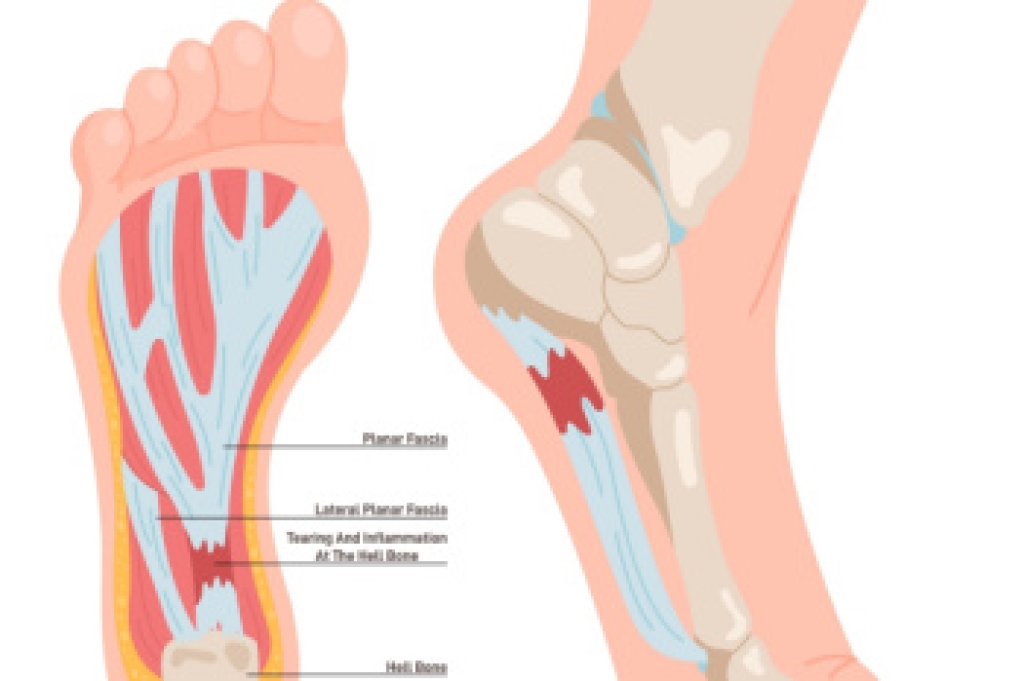
Plantar fasciitis is a common foot condition characterized by inflammation of the thick band of tissue that runs along the bottom of the foot, connecting the heel to the toes. It often develops from training on improper surfaces, suddenly increasing athletic activity, or failing to properly warm up before exercise. Symptoms typically include sharp heel pain, stiffness in the arch, and discomfort that is usually worse in the morning or after periods of rest. A podiatrist can evaluate the condition, recommend stretching exercises, provide custom orthotics, and suggest footwear modifications to relieve pain and prevent recurrence. If you are experiencing persistent heel or arch pain, it is suggested that you promptly visit a podiatrist who can effectively treat plantar fasciitis.
Plantar fasciitis can be very painful and inconvenient. If you are experiencing heel pain or symptoms of plantar fasciitis, contact Dr. Ronald K. Olm from Grand Traverse Foot & Ankle Center. Our doctor can provide the care you need to keep you pain-free and on your feet.
What Is Plantar Fasciitis?
Plantar fasciitis is the inflammation of the thick band of tissue that runs along the bottom of your foot, known as the plantar fascia, and causes mild to severe heel pain.
What Causes Plantar Fasciitis?
How Can It Be Treated?
While very treatable, plantar fasciitis is definitely not something that should be ignored. Especially in severe cases, speaking to your doctor right away is highly recommended to avoid complications and severe heel pain. Your podiatrist can work with you to provide the appropriate treatment options tailored to your condition.
If you have any questions, please feel free to contact our offices located in Traverse City, MI . We offer the newest diagnostic and treatment technologies for all your foot care needs.

The bones in your child’s feet will develop from the cartilage they were born with to ossified bones that are fully developed around 18 years of age. For the first few months of their lives, babies’ feet are quite delicate. That is why the type of footwear you choose for your child is very important. Make sure footwear and socks are never tight. While your child’s feet are developing, the nerve endings in their feet are developing too and may not be able to signal if their feet are being squeezed or compressed. Since no two feet are the same, avoid hand-me-down shoes that may not be right for your child’s feet. Keep their toenails trimmed straight across without curving them or cutting them so short that it puts them at risk of developing an ingrown toenail. For expert guidance on nurturing your child's feet, consulting a podiatrist can offer valuable insights tailored to their growth stage and needs.
The health of a child’s feet is vital to their overall well-being. If you have any questions regarding foot health, contact Dr. Ronald K. Olm of Grand Traverse Foot & Ankle Center. Our doctor can provide the care you need to keep you pain-free and on your feet.
Tips for Keeping Children's Feet Healthy
If you have any questions, please feel free to contact our offices located in Traverse City, MI . We offer the newest diagnostic and treatment technologies for all your foot care needs.

Peripheral neuropathy in the feet occurs when nerve damage leads to impaired communication between the brain and the lower extremities. This condition can be caused by diabetes, infections, vitamin deficiencies, autoimmune disorders, or exposure to toxins. Risk factors include uncontrolled blood sugar, excessive alcohol use, and certain medical treatments. Symptoms include numbness, tingling, burning sensations, sharp pain, or loss of balance, which can increase the risk of falls and injuries. A podiatrist can help by performing a thorough evaluation, recommending protective footwear, and providing foot care guidance. If you experience persistent numbness or pain in your feet, it is suggested that you are under the care of a podiatrist who can help you to manage this condition.
Neuropathy
Neuropathy can be a potentially serious condition, especially if it is left undiagnosed. If you have any concerns that you may be experiencing nerve loss in your feet, consult with Dr. Ronald K. Olm from Grand Traverse Foot & Ankle Center. Our doctor will assess your condition and provide you with quality foot and ankle treatment for neuropathy.
What Is Neuropathy?
Neuropathy is a condition that leads to damage to the nerves in the body. Peripheral neuropathy, or neuropathy that affects your peripheral nervous system, usually occurs in the feet. Neuropathy can be triggered by a number of different causes. Such causes include diabetes, infections, cancers, disorders, and toxic substances.
Symptoms of Neuropathy Include:
Those with diabetes are at serious risk due to being unable to feel an ulcer on their feet. Diabetics usually also suffer from poor blood circulation. This can lead to the wound not healing, infections occurring, and the limb may have to be amputated.
Treatment
To treat neuropathy in the foot, podiatrists will first diagnose the cause of the neuropathy. Figuring out the underlying cause of the neuropathy will allow the podiatrist to prescribe the best treatment, whether it be caused by diabetes, toxic substance exposure, infection, etc. If the nerve has not died, then it’s possible that sensation may be able to return to the foot.
Pain medication may be issued for pain. Electrical nerve stimulation can be used to stimulate nerves. If the neuropathy is caused from pressure on the nerves, then surgery may be necessary.
If you have any questions, please feel free to contact our offices located in Traverse City, MI . We offer the newest diagnostic and treatment technologies for all your foot care needs.

Discomfort felt along the sole of your foot can have many causes. One of the most common is irritation of the plantar fascia, a thick tissue that supports your arch. When this tissue becomes inflamed, it can lead to soreness, especially during the first steps after resting. Foot strain from standing too long, wearing unsupportive shoes, or changes in physical activity can also contribute to pain. Issues like pinched nerves, tiny stress fractures, or soft tissue injuries may also result in discomfort that worsens with pressure. People with flat feet or high arches may be more prone to pain due to extra strain on muscles and ligaments. Rest, wearing supportive footwear, and gentle stretching are first steps in relieving symptoms. If you find your foot discomfort lingering or getting worse over time, it is suggested you consult a podiatrist for professional care.
Foot Pain
Foot pain can be extremely painful and debilitating. If you have a foot pain, consult with Dr. Ronald K. Olm from Grand Traverse Foot & Ankle Center. Our doctor will assess your condition and provide you with quality foot and ankle treatment.
Causes
Foot pain is a very broad condition that could be caused by one or more ailments. The most common include:
Diagnosis
To figure out the cause of foot pain, podiatrists utilize several different methods. This can range from simple visual inspections and sensation tests to X-rays and MRI scans. Prior medical history, family medical history, and any recent physical traumatic events will all be taken into consideration for a proper diagnosis.
Treatment
Treatment depends upon the cause of the foot pain. Whether it is resting, staying off the foot, or having surgery; podiatrists have a number of treatment options available for foot pain.
If you have any questions, please feel free to contact our offices located in Traverse City, MI . We offer the newest diagnostic and treatment technologies for all your foot care needs.