Traverse City


(231) 922-9100

Like Us On Facebook

Blog

Achilles Tendonitis in Ballet Dancers

Achilles tendonitis is inflammation of the tendon that connects the calf muscles to the heel bone, often caused by overuse or repetitive strain. Symptoms include pain along the back of the heel, swelling, stiffness, and discomfort that worsens with activity. Ballet dancers are especially prone to this condition because of constant jumping, pointing of the toes, and dancing on the balls of the feet, all of which place intense stress on the Achilles tendon. Without treatment, the tendon can weaken and risk further injury. A podiatrist can help by diagnosing the condition, recommending rest, stretching, and supportive footwear. If you have heel pain or stiffness, it is suggested that you consult a podiatrist who can offer appropriate treatment and relief solutions for what might be going on.

Achilles tendon injuries need immediate attention to avoid future complications. If you have any concerns, contact Dr. Ronald K. Olm of Grand Traverse Foot & Ankle Center. Our doctor can provide the care you need to keep you pain-free and on your feet.

What Is the Achilles Tendon?

The Achilles tendon is a tendon that connects the lower leg muscles and calf to the heel of the foot. It is the strongest tendon in the human body and is essential for making movement possible. Because this tendon is such an integral part of the body, any injuries to it can create immense difficulties and should immediately be presented to a doctor.

What Are the Symptoms of an Achilles Tendon Injury?

There are various types of injuries that can affect the Achilles tendon. The two most common injuries are Achilles tendinitis and ruptures of the tendon.

Achilles Tendinitis Symptoms

  • Inflammation
  • Dull to severe pain
  • Increased blood flow to the tendon
  • Thickening of the tendon

Rupture Symptoms

  • Extreme pain and swelling in the foot
  • Total immobility

Treatment and Prevention

Achilles tendon injuries are diagnosed by a thorough physical evaluation, which can include an MRI. Treatment involves rest, physical therapy, and in some cases, surgery. However, various preventative measures can be taken to avoid these injuries, such as:

  • Thorough stretching of the tendon before and after exercise
  • Strengthening exercises like calf raises, squats, leg curls, leg extensions, leg raises, lunges, and leg presses

If you have any questions please feel free to contact one of our offices located in Traverse City and Kalkaska, MI . We offer the newest diagnostic tools and technology to treat your foot and ankle needs.

Read more about The Causes, Types, and Treatments of Achilles Tendon Injuries

It's Time for Beautiful Feet

You don't need an excuse to have beautiful nails. Step outside without worrying about the appearance of your feet.

Facts About Fungal Toenails

Toenail fungus, also called onychomycosis, is an infection that affects the toenails far more often than the fingernails. It is estimated that about one in 10 people will develop it, with higher rates among older adults, men, and those with diabetes or circulation problems in the feet. The infection is usually caused by dermatophytes, a type of fungus that thrives in warm, moist environments. It can be picked up from surfaces like locker room floors or through direct contact with the fungus. Early signs of fungal toenails include yellow or white spots on the nail or a chalky buildup beneath the surface. As the infection progresses, the nail may thicken, discolor, and become brittle or distorted, sometimes separating from the nail bed. A podiatrist can confirm the diagnosis, provide treatment, and suggest ways to reduce the risk of complications or recurrence. If you have symptoms of a fungal toenail infection, it is suggested that you make an appointment with a podiatrist for an exam, diagnosis and appropriate treatment.

For more information about treatment, contact Dr. Ronald K. Olm of Grand Traverse Foot & Ankle Center. Our doctor can provide the care you need to keep you pain-free and on your feet.

Toenail Fungus Treatment

Toenail fungus is a condition that affects many people and can be especially hard to get rid of. Fortunately, there are several methods to go about treating and avoiding it.

Antifungals & Deterrence

Oral antifungal medicine has been shown to be effective in many cases. It is important to consult with a podiatrist to determine the proper regiment for you, or potentially explore other options.

Applying foot powder on the feet and shoes helps keep the feet free of moisture and sweat.

Sandals or open toed shoes – Wearing these will allow air movement and help keep feet dry. They also expose your feet to light, which fungus cannot tolerate. Socks with moisture wicking material also help as well.

If you have any questions please contact one of our offices located in Traverse City and Kalkaska, MI . We offer the newest diagnostic and treatment technologies for all your foot and ankle needs.

Read more about Treating Toenail Fungus

The Hidden Cost of Long Runs on Your Feet

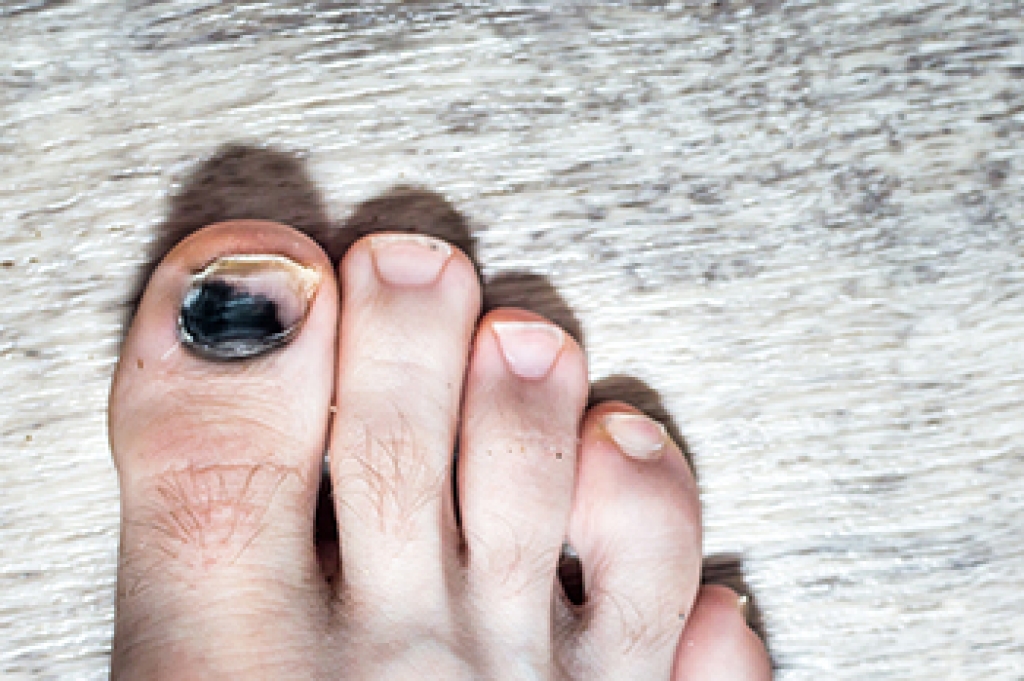
Runner’s toe, sometimes called black toenail, occurs when repeated impact causes bleeding beneath the toenail. Long runs, downhill training, or wearing shoes that are too tight can create constant pressure on the toes, leading to bruising and discoloration. At first, the nail may look red or purple, but over time, it can turn dark and become painful. In some cases, the nail may loosen or fall off as new growth pushes through. While the condition is usually not dangerous, it can interfere with training and increase the risk of infection if the nail separates from the skin. Choosing properly fitted shoes, trimming nails straight across, and using moisture-wicking socks can help prevent recurrence. If pain is severe, or if you notice signs of infection, it is suggested that you see a podiatrist for appropriate treatment and guidance.

All runners should take extra precaution when trying to avoid injury. If you have any concerns about your feet, contact Dr. Ronald K. Olm of Grand Traverse Foot & Ankle Center. Our doctor will treat your foot and ankle needs.

How to Prevent Running Injuries

There are a lot of mistakes a runner can make prior to a workout that can induce injury. A lot of athletes tend to overstretch before running, instead of saving those workouts for a post-run routine. Deep lunges and hand-to-toe hamstring pulls should be performed after a workout instead of during a warmup. Another common mistake is jumping into an intense routine before your body is physically prepared for it. You should try to ease your way into long-distance running instead of forcing yourself to rush into it.

More Tips for Preventing Injury

  • Incorporate Strength Training into Workouts - This will help improve the body’s overall athleticism
  • Improve and Maintain Your Flexibility – Stretching everyday will help improve overall performance
  • “Warm Up” Before Running and “Cool Down” Afterward – A warm up of 5-10 minutes helps get rid of lactic acid in the muscles and prevents delayed muscle soreness
  • Cross-Training is Crucial
  • Wear Proper Running Shoes
  • Have a Formal Gait Analysis – Poor biomechanics can easily cause injury

If you have any questions, please feel free to contact one of our offices located in Traverse City and Kalkaska, MI . We offer the newest diagnostic and treatment technologies for all your foot care needs.

Read more about Preventing Running Injuries

The Silent Damage High Blood Sugar Can Cause in Your Feet

Living with diabetes and elevated blood sugar can quietly harm the feet in ways that are easy to overlook. Over time, excess glucose can injure the nerves, leading to tingling, numbness, or burning sensations. This makes it harder to detect small cuts, blisters, or irritations, which can turn into more serious problems, if not treated quickly. High blood sugar also weakens circulation by narrowing blood vessels, reducing the delivery of oxygen and nutrients needed for healing. With slower recovery, even minor skin cracks or sores can become infected. The combination of poor sensation and impaired blood flow increases the risk of ulcers and long-term complications. Daily foot checks, wearing supportive footwear, and maintaining stable blood sugar levels are crucial steps in preventing these problems. If you have diabetes, it is suggested that you visit a podiatrist regularly to ensure that changes in your feet are caught early and managed with the right care.

Diabetic foot care is important in preventing foot ailments such as ulcers. If you are suffering from diabetes or have any other concerns about your feet, contact Dr. Ronald K. Olm from Grand Traverse Foot & Ankle Center. Our doctor can provide the care you need to keep you pain-free and on your feet.

Diabetic Foot Care

Diabetes affects millions of people every year. The condition can damage blood vessels in many parts of the body, especially the feet. Because of this, taking care of your feet is essential if you have diabetes, and having a podiatrist help monitor your foot health is highly recommended.

The Importance of Caring for Your Feet

  • Routinely inspect your feet for bruises or sores.
  • Wear socks that fit your feet comfortably.
  • Wear comfortable shoes that provide adequate support.

Patients with diabetes should have their doctor monitor their blood levels, as blood sugar levels play such a huge role in diabetic care. Monitoring these levels on a regular basis is highly advised.

It is always best to inform your healthcare professional of any concerns you may have regarding your feet, especially for diabetic patients. Early treatment and routine foot examinations are keys to maintaining proper health, especially because severe complications can arise if proper treatment is not applied.

If you have any questions, please feel free to contact one of our offices located in Traverse City and Kalkaska, MI . We offer the newest diagnostic and treatment technologies for all your foot care needs.

Read more about How to Care for Diabetic Foot
Connect with us