Have you noticed a bony protrusion on the side of your big toe? If so, you may have developed the foot condition known as a bunion. Don't let bunions interfere with your daily activities.
Have you noticed a bony protrusion on the side of your big toe? If so, you may have developed the foot condition known as a bunion. Don't let bunions interfere with your daily activities.
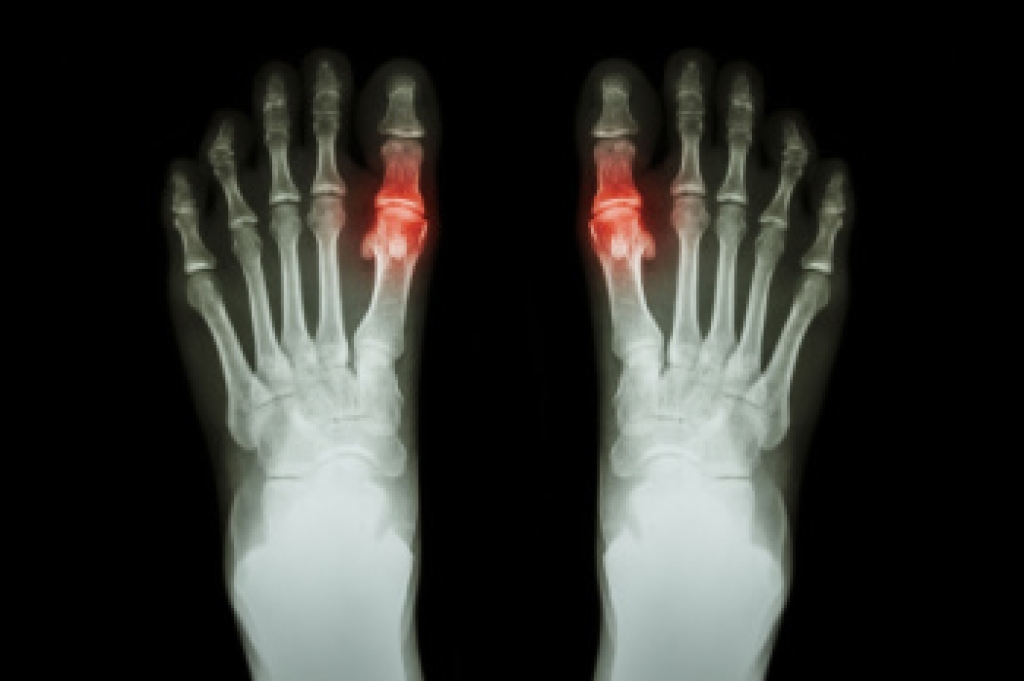
Gout is a form of inflammatory arthritis that develops when uric acid builds up in the body and forms sharp crystals inside a joint. These crystals can trigger sudden and intense inflammation. Gout most often affects the big toe, although it can also develop in other joints. A gout attack may begin quickly and cause severe pain. The affected area can become swollen, red, and extremely tender to touch.
Several factors can increase the risk of developing gout. Genetics can play a role, while certain health conditions may make high uric acid levels more likely. Eating foods high in purines can also contribute because the body breaks purines down into uric acid. Dehydration, excess alcohol, and some medications may increase risk. Men are generally more likely to develop gout earlier in life, while the risk increases for women after menopause.
The big toe is a common location because the joint is relatively cool and exposed to repeated pressure. Uric acid crystals form more easily in cooler areas, making this joint vulnerable. Walking and wearing shoes can also make an inflamed big toe especially painful. During an attack, symptoms include sudden throbbing pain, swelling, and tenderness. Without appropriate management, repeated attacks damage the joint over time.
A podiatrist examines your foot and discusses your symptoms, medical history, and possible triggers. Testing may be recommended to help confirm gout and rule out other causes of joint pain. Treatment options include measures to reduce inflammation and protect the painful joint during an attack. A podiatrist may also recommend footwear changes and strategies that support long-term foot health. If you have gout symptoms, it is suggested that you are under the care of a podiatrist who can help you to manage this painful condition.
Gout is a painful condition that can be treated. If you are seeking treatment, contact Dr. Ronald K. Olm from Grand Traverse Foot & Ankle Center. Our doctor will treat your foot and ankle needs.
What Is Gout?
Gout is a form of arthritis that is characterized by sudden, severe attacks of pain, redness, and tenderness in the joints. The condition usually affects the joint at the base of the big toe. A gout attack can occur at any random time, such as the middle of the night while you are asleep.
Symptoms
Risk Factors
Prior to visiting your podiatrist to receive treatment for gout, there are a few things you should do beforehand. If you have gout you should write down your symptoms--including when they started and how often you experience them, important medical information you may have, and any questions you may have. Writing down these three things will help your podiatrist in assessing your specific situation so that he or she may provide the best route of treatment for you.
If you have any questions, please feel free to contact our offices located in Traverse City, MI . We offer the newest diagnostic and treatment technologies for all your foot care needs.

Post-operative ostomy care focuses on supporting healing, preventing complications, and helping patients adjust to life with their stoma. In the days following surgery, the stoma will be swollen and may change in size as it heals. It is important to keep the surrounding skin clean and dry to avoid irritation. The ostomy pouch should be emptied when it is about one-third full to prevent leakage and pressure on the stoma. Pouch changes should be done carefully, following the instructions given by your ostomy specialist, and using supplies that fit your stoma comfortably. Monitoring for signs of infection, bleeding, or changes in stoma appearance is essential. Gradually, patients learn techniques for proper pouching, managing output, and protecting the skin. Emotional and dietary support are also important during recovery. For guidance tailored to your needs and to ensure the best outcomes, it is suggested that you speak with an ostomy specialist.
Ostomy Care and Support Services
Living with an ostomy can feel overwhelming, but with the right care and guidance, patients can regain comfort, confidence, and control in their lives. Our practice is dedicated to supporting individuals at every stage of their ostomy journey. Whether the surgery is new or long behind you, our specialists focus on helping you adapt comfortably and address any challenges that arise.
An ostomy is a surgically created opening that allows waste to leave the body through the abdomen. This can be necessary after certain medical conditions or surgeries involving the digestive or urinary system. Colostomy, ileostomy, and urostomy are common types of ostomies. Each requires specific care and attention, and our experienced team is skilled in managing all types.
Our specialist provides personalized care plans, beginning with detailed education on how to care for your stoma, or opening to the waste system, managing your pouching system, and protecting the surrounding skin. We also offer troubleshooting assistance for common issues such as leakage, skin irritation, and improper fit of appliances. Helping you achieve a secure and comfortable fit is one of our top priorities, as it can significantly impact your quality of life.
In addition to hands-on care, we believe education is empowering. Our team takes time to explain changes to your body, guide you through product options, and address emotional concerns with compassion. We understand that living with an ostomy is not only a physical adjustment but also an emotional one, and we are here to provide both clinical and personal support.
We work closely with your other possible healthcare providers to ensure seamless coordination of your care. From helping with pouching supplies to teaching skin protection techniques, our team is committed to helping you feel more at ease in your daily life.
Learn more about this procedure today. Our caring specialists are ready to help you navigate this journey with confidence and dignity.
What complications can occur with an ostomy?
Skin irritation, leakage, and stoma blockage are common concerns that may require medical attention or changes in pouching techniques.
Can you live a normal life with an ostomy?
Most people return to work, exercise, and travel after surgery, although adjustments in diet and pouch management are often necessary.
If you have any questions, please feel free to contact our offices located in Traverse City, MI . We offer the newest diagnostic and treatment technologies for all your foot care needs.
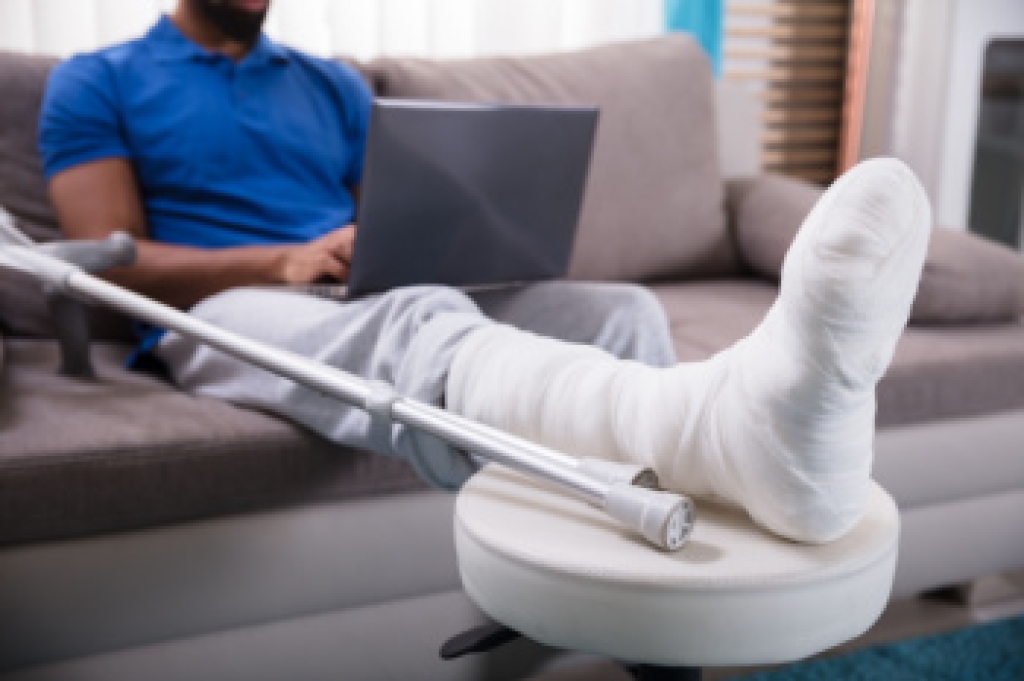
A broken foot, also called a foot fracture, occurs when one or more bones in the foot crack or break. It can happen after a fall, direct impact, or repeated stress. Symptoms include pain, swelling, and difficulty moving the foot. Some people hear a snap or grinding noise when the injury happens. Walking may become difficult or impossible, especially when pressure is placed on the injured area.
Several factors can increase the risk of a broken foot. Sports activities, falls, and weakened bones can make fractures more likely. Wearing improper footwear may also increase injury risk during certain activities. Stress fractures can develop gradually from repeated impact, particularly after sudden changes in exercise. A podiatrist can evaluate the injury, review how it happened, and foot movement. X-rays or other imaging tests may be recommended to confirm the diagnosis.
Treatment depends on the location and severity of the fracture. A podiatrist may recommend immobilization with a cast or walking boot to protect the injured bones. Some fractures may require crutches or limited weight-bearing while healing. More serious breaks may need surgical treatment to realign and stabilize the bones. Follow-up appointments help monitor healing and ensure that the foot remains properly aligned. Avoid returning to strenuous activity until the foot has recovered.
Many broken feet heal in about four to six weeks, although recovery can take longer depending on the severity of the fracture and overall health. Following weight-bearing instructions is important for proper healing. Keep the foot protected and report increasing pain, swelling, or color changes promptly. Gradually returning to normal activity can help prevent reinjury and help restore safe, comfortable movement. If you have broken your foot, it is suggested that you consult a podiatrist for effective relief and treatment solutions.
A broken foot requires immediate medical attention and treatment. If you need your feet checked, contact Dr. Ronald K. Olm from Grand Traverse Foot & Ankle Center. Our doctor can provide the care you need to keep you pain-free and on your feet.
Broken Foot Causes, Symptoms, and Treatment
A broken foot is caused by one of the bones in the foot typically breaking when bended, crushed, or stretched beyond its natural capabilities. Usually the location of the fracture indicates how the break occurred, whether it was through an object, fall, or any other type of injury.
Common Symptoms of Broken Feet:
Those that suspect they have a broken foot shoot seek urgent medical attention where a medical professional could diagnose the severity.
Treatment for broken bones varies depending on the cause, severity and location. Some will require the use of splints, casts or crutches while others could even involve surgery to repair the broken bones. Personal care includes the use of ice and keeping the foot stabilized and elevated.
If you have any questions, please feel free to contact our offices located in Traverse City, MI . We offer the newest diagnostic and treatment technologies for all your foot care needs.
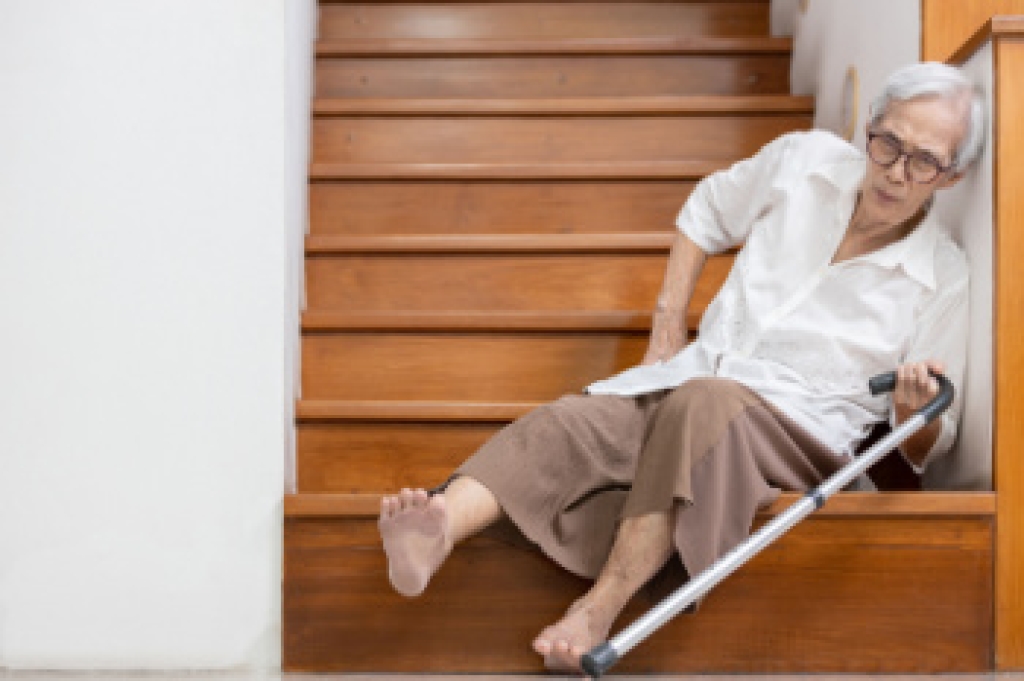
Falls at home can happen quickly. A fall may cause bruises, sprains,or foot and ankle pain. Common symptoms after a fall include swelling, tenderness, and pain when putting weight on the foot. Some injuries may not seem serious immediately, so ongoing discomfort should not be ignored. Anyone can experience a household fall, regardless of age or activity level, and they can affect daily routines and confidence at home too.
Falls prevention starts with making your bedroom safer. Remove clutter from walkways and keep shoes, cords, and other items off the floor. Make sure lighting is bright enough for nighttime movement. A securely attached bed cane can provide support when sitting down or standing up from bed. In the bathroom, install grab bars near the toilet and shower. Non-slip mats can also help reduce slipping. These changes can make movement more stable and reduce hazards.
A fall can lead to several foot conditions, including ankle sprains, toe fractures, and soft-tissue injuries. If foot and ankle pain develops after a fall, a podiatrist can evaluate the injury and determine whether imaging is needed. The examination may include checking swelling, range of motion, and your ability to bear weight. Treatment depends on the injury and may include rest, wearing supportive footwear, or other appropriate care. Follow-up visits help monitor healing.
Preventing falls is about protecting your ability to walk comfortably. Keep pathways clear and use support equipment correctly. Pay attention to new pain after any fall. Prompt podiatric care can help identify injuries before they worsen and support safe healing. If you have foot and ankle pain from falling at home, it is suggested that you consult a podiatrist for effective relief, treatment, and additional prevention tips.
Preventing falls among the elderly is very important. If you are older and have fallen or fear that you are prone to falling, consult with Dr. Ronald K. Olm from Grand Traverse Foot & Ankle Center. Our doctor will assess your condition and provide you with quality advice and care.
Every 11 seconds, an elderly American is being treated in an emergency room for a fall related injury. Falls are the leading cause of head and hip injuries for those 65 and older. Due to decreases in strength, balance, senses, and lack of awareness, elderly persons are very susceptible to falling. Thankfully, there are a number of things older persons can do to prevent falls.
How to Prevent Falls
Some effective methods that older persons can do to prevent falls include:
Falling can be a traumatic and embarrassing experience for elderly persons; this can make them less willing to leave the house, and less willing to talk to someone about their fears of falling. Doing such things, however, will increase the likelihood of tripping or losing one’s balance. Knowing the causes of falling and how to prevent them is the best way to mitigate the risk of serious injury.
If you have any questions, please feel free to contact our offices located in Traverse City, MI . We offer the newest diagnostic and treatment technologies for all your foot care needs.