Traverse City


(231) 922-9100

Like Us On Facebook

Blog

Long-Term Effects of High Heels

High heels are a popular footwear choice, but they can place significant stress on the feet and contribute to foot pain, over time. While wearing high heels, the body's weight shifts forward onto the front of the foot, increasing pressure on the toes and ball of the foot. This altered position can affect balance and change the way a person walks. As a result, many individuals experience discomfort, burning sensations, or pain after prolonged wear. High heels may also contribute to the development of common foot conditions that affect comfort and mobility. Because the feet serve as the foundation for movement, ongoing stress from footwear can have a noticeable impact on daily activities.

The height and design of a shoe can influence how much strain is placed on the foot and ankle. Higher heels often increase pressure on the forefoot and may gradually shorten certain muscles and tendons. This can contribute to pain in the feet, ankles, and lower legs. Some people may also develop issues like bunions, hammertoes, or calluses due to repeated pressure and crowding of the toes. In addition, altered walking mechanics caused by wearing high heels can place extra stress on joints throughout the lower body. While symptoms may begin as mild discomfort, they can gradually become more persistent if the underlying causes are not addressed.

A podiatrist can help evaluate foot pain related to high-heel use and identify any conditions that may be contributing to symptoms. Through a comprehensive examination, a podiatrist can assess foot structure, gait, and overall foot function. Professional podiatric care focuses on relieving pain, improving mobility, and addressing foot problems before they become more severe. Early evaluation may help reduce the risk of long-term complications and support healthier foot function. Maintaining proper foot health is essential for comfort and mobility at every stage of life. If you have foot pain associated with wearing high heels, it is suggested that you consult a podiatrist for an evaluation and appropriate relief solutions.

High heels have a history of causing foot and ankle problems. If you have any concerns about your feet or ankles, contact Dr. Ronald K. Olm from Grand Traverse Foot & Ankle Center. Our doctor can provide the care you need to keep you pain-free and on your feet.

Effects of High Heels on the Feet

High heels are popular shoes among women because of their many styles and societal appeal.  Despite this, high heels can still cause many health problems if worn too frequently.

Which Parts of My Body Will Be Affected by High Heels?

  • Ankle Joints
  • Achilles Tendon – May shorten and stiffen with prolonged wear
  • Balls of the Feet
  • Knees – Heels cause the knees to bend constantly, creating stress on them
  • Back – They decrease the spine’s ability to absorb shock, which may lead to back pain.  The vertebrae of the lower back may compress.

What Kinds of Foot Problems Can Develop from Wearing High Heels?

  • Corns
  • Calluses
  • Hammertoe
  • Bunions
  • Morton’s Neuroma
  • Plantar Fasciitis

How Can I Still Wear High Heels and Maintain Foot Health?

If you want to wear high heeled shoes, make sure that you are not wearing them every day, as this will help prevent long term physical problems.  Try wearing thicker heels as opposed to stilettos to distribute weight more evenly across the feet.  Always make sure you are wearing the proper shoes for the right occasion, such as sneakers for exercising.  If you walk to work, try carrying your heels with you and changing into them once you arrive at work.  Adding inserts to your heels can help cushion your feet and absorb shock. Full foot inserts or metatarsal pads are available. 

If you have any questions, please feel free to contact our offices located in Traverse City, MI . We offer the newest diagnostic and treatment technologies for all your foot care needs.

Read more about Effect of High Heels on the Feet

Reminder: When Was the Last Time...?

Custom orthotics, or shoe inserts, should be periodically replaced. Orthotics must fit properly to give you the best results. Protect your feet and ankles!

Abnormal Gait Patterns Can Lead to Achilles Tendon Injuries

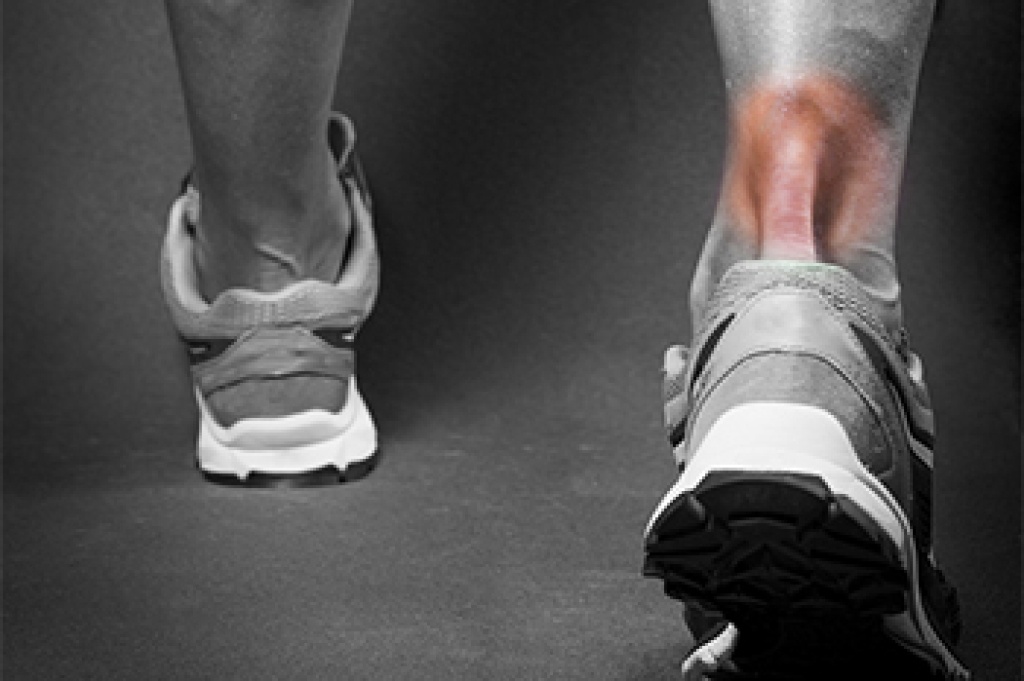
The Achilles tendon is a strong band of tissue that connects the calf muscles to the heel bone. It handles significant force while walking and especially when running. This makes it vulnerable to injury when movement mechanics are abnormal. While most stress travels in a straight upward and downward direction, unusual side-to-side or forward and backward motion can place added strain on the tendon. This may happen when a person changes the way they walk or run. Reasons include pain, weakness, poor recovery, or altered movement patterns after an injury. The Achilles tendon does not respond well to twisting, compression, or abnormal directional stress, which can increase the chance of ongoing irritation or repeat injury. Proper healing after an Achilles problem is important to restore normal movement and reduce unnecessary strain on healing tissue. Identifying abnormal gait patterns can play a key role in prevention and recovery. If you have Achilles pain or concerns after an injury, it is suggested that you visit a podiatrist for evaluation and appropriate treatment solutions.

Achilles tendon injuries need immediate attention to avoid future complications. If you have any concerns, contact Dr. Ronald K. Olm of Grand Traverse Foot & Ankle Center. Our doctor can provide the care you need to keep you pain-free and on your feet.

What Is the Achilles Tendon?

The Achilles tendon is a tendon that connects the lower leg muscles and calf to the heel of the foot. It is the strongest tendon in the human body and is essential for making movement possible. Because this tendon is such an integral part of the body, any injuries to it can create immense difficulties and should immediately be presented to a doctor.

What Are the Symptoms of an Achilles Tendon Injury?

There are various types of injuries that can affect the Achilles tendon. The two most common injuries are Achilles tendinitis and ruptures of the tendon.

Achilles Tendinitis Symptoms

  • Inflammation
  • Dull to severe pain
  • Increased blood flow to the tendon
  • Thickening of the tendon

Rupture Symptoms

  • Extreme pain and swelling in the foot
  • Total immobility

Treatment and Prevention

Achilles tendon injuries are diagnosed by a thorough physical evaluation, which can include an MRI. Treatment involves rest, physical therapy, and in some cases, surgery. However, various preventative measures can be taken to avoid these injuries, such as:

  • Thorough stretching of the tendon before and after exercise
  • Strengthening exercises like calf raises, squats, leg curls, leg extensions, leg raises, lunges, and leg presses

If you have any questions please feel free to contact our offices located in Traverse City, MI . We offer the newest diagnostic tools and technology to treat your foot and ankle needs.

Read more about What are Achilles Tendon Injuries

Gentle Exercises After Ostomy Surgery

If you have had ostomy surgery, gentle exercises can help you build strength and support your stomach muscles. These movements are easy and safe for most people. Pelvic tilts involve gently rocking your hips while lying on your back, helping to strengthen your lower belly. Knee rolls are done by moving your knees from side to side to loosen your hips and lower back. A bridge, also called a hip lift, strengthens your tummy and hips by slowly lifting your hips off the floor. Breathing exercises where you tighten your stomach muscles while breathing out can also help. These exercises can make daily movements easier and help protect the area surrounding your surgery site. Before starting, it is suggested you check with your ostomy specialist to make sure the exercises are safe for you. Moving gently can help you feel stronger over time.

Ostomy Care and Support Services
Living with an ostomy can feel overwhelming, but with the right care and guidance, patients can regain comfort, confidence, and control in their lives. Our practice is dedicated to supporting individuals at every stage of their ostomy journey. Whether the surgery is new or long behind you, our specialists focus on helping you adapt comfortably and address any challenges that arise.
An ostomy is a surgically created opening that allows waste to leave the body through the abdomen. This can be necessary after certain medical conditions or surgeries involving the digestive or urinary system. Colostomy, ileostomy, and urostomy are common types of ostomies. Each requires specific care and attention, and our experienced team is skilled in managing all types.
Our specialist provides personalized care plans, beginning with detailed education on how to care for your stoma, or opening to the waste system, managing your pouching system, and protecting the surrounding skin. We also offer troubleshooting assistance for common issues such as leakage, skin irritation, and improper fit of appliances. Helping you achieve a secure and comfortable fit is one of our top priorities, as it can significantly impact your quality of life.
In addition to hands-on care, we believe education is empowering. Our team takes time to explain changes to your body, guide you through product options, and address emotional concerns with compassion. We understand that living with an ostomy is not only a physical adjustment but also an emotional one, and we are here to provide both clinical and personal support.
We work closely with your other possible healthcare providers to ensure seamless coordination of your care. From helping with pouching supplies to teaching skin protection techniques, our team is committed to helping you feel more at ease in your daily life.
Learn more about this procedure today. Our caring specialists are ready to help you navigate this journey with confidence and dignity.
What complications can occur with an ostomy?
Skin irritation, leakage, and stoma blockage are common concerns that may require medical attention or changes in pouching techniques.

Can you live a normal life with an ostomy?
Most people return to work, exercise, and travel after surgery, although adjustments in diet and pouch management are often necessary.

If you have any questions, please feel free to contact our offices located in Traverse City, MI . We offer the newest diagnostic and treatment technologies for all your foot care needs.

Read more about Ostomy

Common Causes of Ankle Pain

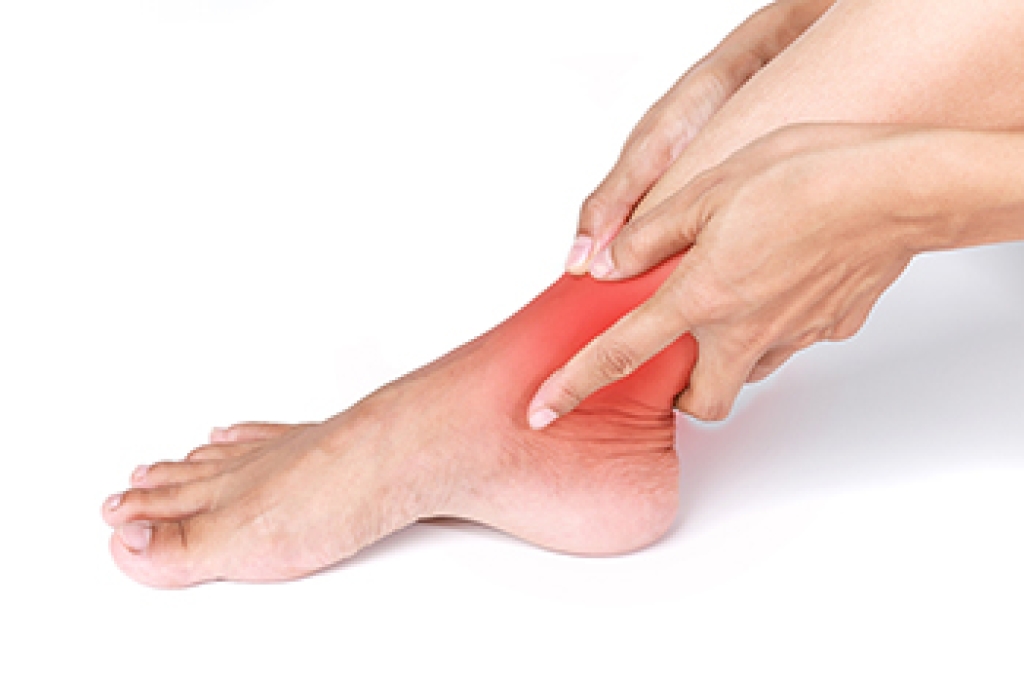
Ankle pain can develop from several conditions that affect the bones, ligaments, and tendons surrounding the joint. An Achilles tendon injury often causes pain at the back of the ankle, especially during movement or after activity. Fractures involve a break in one of the ankle bones and may appear with severe pain, swelling, and difficulty bearing weight. Sprains occur when ligaments are stretched or torn, while strains affect muscles or tendons, both leading to discomfort and instability. Risk factors include sports activity, uneven surfaces, wearing poor footwear, and sudden changes in movement. Symptoms may vary, but often include swelling, bruising, and limited motion. A podiatrist can determine the exact cause through examination and imaging, then guide treatment to restore strength and function. If you have ankle pain, it is suggested that you consult a podiatrist who can accurately diagnose and treat the problem.

Ankle pain can have many different causes and the pain may potentially be serious. If you have ankle pain, consult with Dr. Ronald K. Olm from Grand Traverse Foot & Ankle Center. Our doctor will assess your condition and provide you with quality foot and ankle treatment.

Ankle pain is any condition that causes pain in the ankle. Due to the fact that the ankle consists of tendons, muscles, bones, and ligaments, ankle pain can come from a number of different conditions.

Causes

The most common causes of ankle pain include:

  • Types of arthritis (rheumatoid, osteoarthritis, and gout)
  • Ankle sprains
  • Broken ankles
  • Achilles tendinitis
  • Achilles tendon rupture
  • Stress fractures
  • Tarsal tunnel syndrome
  • Plantar fasciitis

Symptoms

Symptoms of ankle injury vary based upon the condition. Pain may include general pain and discomfort, swelling, aching, redness, bruising, burning or stabbing sensations, and/or loss of sensation.

Diagnosis

Due to the wide variety of potential causes of ankle pain, podiatrists will utilize a number of different methods to properly diagnose ankle pain. This can include asking for personal and family medical histories and of any recent injuries. Further diagnosis may include sensation tests, a physical examination, and potentially x-rays or other imaging tests.

Treatment

Just as the range of causes varies widely, so do treatments. Some more common treatments are rest, ice packs, keeping pressure off the foot, orthotics and braces, medication for inflammation and pain, and surgery.

If you have any questions please feel free to contact our offices located in Traverse City, MI . We offer the newest diagnostic tools and technology to treat your foot and ankle needs.

Read more about Ankle Pain
Connect with us