Suffering from this type of pain? You may have the foot condition known as Morton's neuroma. Morton's neuroma may develop as a result of ill-fitting footwear and existing foot deformities. We can help.
Suffering from this type of pain? You may have the foot condition known as Morton's neuroma. Morton's neuroma may develop as a result of ill-fitting footwear and existing foot deformities. We can help.

Morton’s neuroma and traumatic neuromas are painful nerve conditions that can affect the feet in different ways. Morton’s neuroma develops when a nerve becomes thickened from repeated pressure or irritation, usually between the third and fourth toes. Many people describe burning pain, tingling, numbness, or the feeling of standing on a pebble while walking. A traumatic neuroma forms after a nerve has been injured by surgery, a deep cut, or direct trauma to the foot. As the nerve heals abnormally, it may create sharp pain, sensitivity, or electric shock sensations. Although these conditions involve different causes, both can interfere with walking and daily activity. A podiatrist can examine the foot, identify the affected nerve, and use imaging studies or diagnostic testing to confirm the condition. Treatment may include orthotics, footwear changes, injections, medication, or surgery, when symptoms become severe. If nerve pain in the foot continues to worsen, it is suggested that you visit a podiatrist for evaluation and appropriate treatment.
Morton’s neuroma is a very uncomfortable condition to live with. If you think you have Morton’s neuroma, contact Dr. Ronald K. Olm of Grand Traverse Foot & Ankle Center. Our doctor will attend to all of your foot care needs and answer any of your related questions.
Morton’s Neuroma
Morton's neuroma is a painful foot condition that commonly affects the areas between the second and third or third and fourth toe, although other areas of the foot are also susceptible. Morton’s neuroma is caused by an inflamed nerve in the foot that is being squeezed and aggravated by surrounding bones.
What Increases the Chances of Having Morton’s Neuroma?
Morton’s neuroma is a very treatable condition. Orthotics and shoe inserts can often be used to alleviate the pain on the forefront of the feet. In more severe cases, corticosteroids can also be prescribed. In order to figure out the best treatment for your neuroma, it’s recommended to seek the care of a podiatrist who can diagnose your condition and provide different treatment options.
If you have any questions, please feel free to contact our offices located in Traverse City, MI . We offer the newest diagnostic and treatment technologies for all your foot care needs.

An ingrown toenail occurs when the edge of the nail grows into the surrounding skin, often affecting the big toe. This can lead to redness, swelling, and tenderness along the nail border. The area may feel painful with pressure from wearing shoes or walking. In some cases, the skin may become infected, causing drainage, warmth, or a throbbing sensation. The toe may look inflamed or slightly swollen, and symptoms can worsen if left untreated. Common causes include improper nail trimming, wearing tight footwear, injury, or naturally curved nails. A podiatrist can evaluate the severity of the ingrown nail, and determine the most appropriate treatment. Care may include gentle removal of the ingrown portion, guidance on proper nail care, or a minor procedure to prevent recurrence. Early treatment can help relieve discomfort and reduce the risk of infection. If you have an ingrown toenail, it is suggested that you schedule an appointment with a podiatrist for appropriate treatment solutions.
Ingrown toenails can become painful if they are not treated properly. For more information about ingrown toenails, contact Dr. Ronald K. Olm of Grand Traverse Foot & Ankle Center. Our doctor can provide the care you need to keep you pain-free and on your feet.
Ingrown Toenails
Ingrown toenails occur when a toenail grows sideways into the bed of the nail, causing pain, swelling, and possibly infection.
Causes
Prevention
Wearing proper fitting shoes and using proper cutting techniques will also help decrease your risk of developing ingrown toenails.
Treatment
Ingrown toenails are a very treatable foot condition. In minor cases, soaking the affected area in salt or antibacterial soaps will not only help with the ingrown nail itself, but also help prevent any infections from occurring. In more severe cases, surgery is an option. In either case, speaking to your podiatrist about this condition will help you get a better understanding of specific treatment options that are right for you.
If you have any questions, please feel free to contact our offices located in Traverse City, MI . We offer the newest diagnostic and treatment technologies for all your foot care needs.
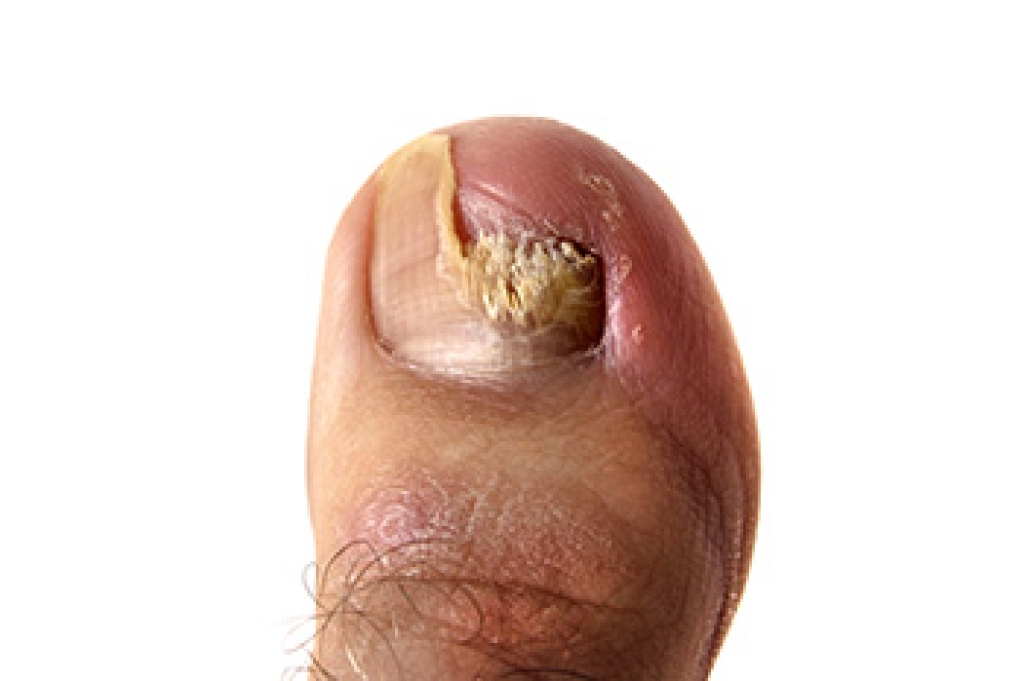
Toenail issues can develop for several reasons related to infection, nail growth patterns, or injury to the nail unit. The toenail helps protect the tip of the toe and supports balance while walking, but problems can affect both appearance and comfort. Common causes include fungal infections, ingrown toenails where the nail grows into the surrounding skin, and trauma from repetitive pressure or direct impact. Nails may become thick, discolored, brittle, or misshapen. The surrounding skin may appear red, swollen, or tender. In some cases, the nail may lift or develop drainage if infection is present. A podiatrist can evaluate the nail through examination to determine the underlying cause. Treatment options include antifungal medications, proper nail trimming techniques, minor procedures for ingrown nails, and guidance on footwear to prevent further irritation. If you are experiencing toenail issues, it is suggested that you schedule an appointment with a podiatrist for expert advice and guidance.
If left untreated, toenail fungus may spread to other toenails, skin, or even fingernails. If you suspect you have toenail fungus it is important to seek treatment right away. For more information about treatment, contact Dr. Ronald K. Olm of Grand Traverse Foot & Ankle Center. Our doctor can provide the care you need to keep you pain-free and on your feet.
Symptoms
Treatment
If self-care strategies and over-the-counter medications does not help your fungus, your podiatrist may give you a prescription drug instead. Even if you find relief from your toenail fungus symptoms, you may experience a repeat infection in the future.
Prevention
In order to prevent getting toenail fungus in the future, you should always make sure to wash your feet with soap and water. After washing, it is important to dry your feet thoroughly especially in between the toes. When trimming your toenails, be sure to trim straight across instead of in a rounded shape. It is crucial not to cover up discolored nails with nail polish because that will prevent your nail from being able to “breathe”.
In some cases, surgical procedure may be needed to remove the toenail fungus. Consult with your podiatrist about the best treatment options for your case of toenail fungus.
If you have any questions please contact our offices located in Traverse City, MI . We offer the newest diagnostic and treatment technologies for all your foot and ankle needs.
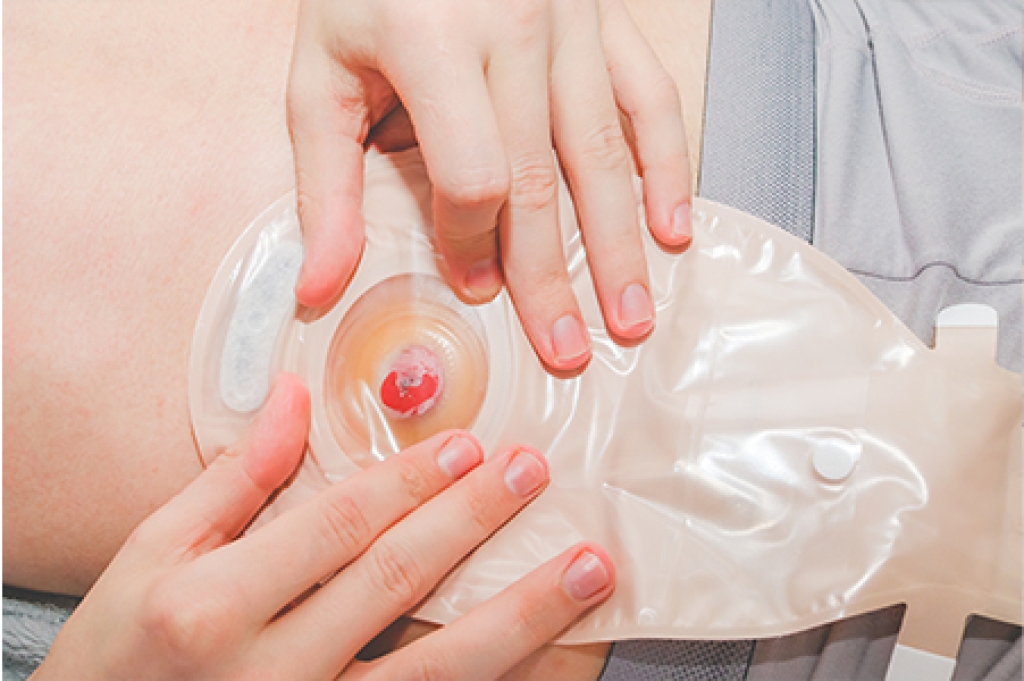
A stoma is an opening created during ostomy surgery that allows waste to leave the body. It is usually placed on the abdomen and connected to either the bowel or bladder. After surgery, waste leaves the body through this small opening into a special bag or pouch attached to the skin. The stoma itself is soft, moist, and pinkish-red, and it does not have feeling since it has no nerve endings. Caring for the skin around the stoma and using the right supplies can help keep the area healthy and comfortable. Many people with a stoma return to work, exercise, and enjoy regular activities once they learn proper care. If you notice skin irritation or have trouble with your supplies, it is suggested you contact an ostomy specialist for guidance and support. With the right care, most people adjust well to life with a stoma.
Ostomy Care and Support Services
Living with an ostomy can feel overwhelming, but with the right care and guidance, patients can regain comfort, confidence, and control in their lives. Our practice is dedicated to supporting individuals at every stage of their ostomy journey. Whether the surgery is new or long behind you, our specialists focus on helping you adapt comfortably and address any challenges that arise.
An ostomy is a surgically created opening that allows waste to leave the body through the abdomen. This can be necessary after certain medical conditions or surgeries involving the digestive or urinary system. Colostomy, ileostomy, and urostomy are common types of ostomies. Each requires specific care and attention, and our experienced team is skilled in managing all types.
Our specialist provides personalized care plans, beginning with detailed education on how to care for your stoma, or opening to the waste system, managing your pouching system, and protecting the surrounding skin. We also offer troubleshooting assistance for common issues such as leakage, skin irritation, and improper fit of appliances. Helping you achieve a secure and comfortable fit is one of our top priorities, as it can significantly impact your quality of life.
In addition to hands-on care, we believe education is empowering. Our team takes time to explain changes to your body, guide you through product options, and address emotional concerns with compassion. We understand that living with an ostomy is not only a physical adjustment but also an emotional one, and we are here to provide both clinical and personal support.
We work closely with your other possible healthcare providers to ensure seamless coordination of your care. From helping with pouching supplies to teaching skin protection techniques, our team is committed to helping you feel more at ease in your daily life.
Learn more about this procedure today. Our caring specialists are ready to help you navigate this journey with confidence and dignity.
What complications can occur with an ostomy?
Skin irritation, leakage, and stoma blockage are common concerns that may require medical attention or changes in pouching techniques.
Can you live a normal life with an ostomy?
Most people return to work, exercise, and travel after surgery, although adjustments in diet and pouch management are often necessary.
If you have any questions, please feel free to contact our offices located in Traverse City, MI . We offer the newest diagnostic and treatment technologies for all your foot care needs.