Do you suffer from heel pain when you get up in the morning? If so, you should seek professional help and have a proper diagnosis performed. Heel pain can be caused by several different foot-related conditions.
Do you suffer from heel pain when you get up in the morning? If so, you should seek professional help and have a proper diagnosis performed. Heel pain can be caused by several different foot-related conditions.

Caring for an ostomy involves learning routines that keep the skin healthy, the pouch secure, and daily life comfortable. An ostomy specialist can teach you how to change and empty your pouch. You will learn how to gently clean the skin around the stoma with warm water, pat it dry, and ensure the pouch adheres well without leaks. Choosing the right pouching system for your body shape and lifestyle is important, as is replacing it before it becomes too full or begins to loosen. Protecting the skin around the stoma is essential, so watch for redness, irritation, or unusual changes and address them promptly. Over time, you will discover techniques and supplies that work best for you, making care easier and more routine. Regular follow-up with your ostomy specialist is suggested to help you maintain good health and confidence in your ostomy care.
Ostomy Care and Support Services
Living with an ostomy can feel overwhelming, but with the right care and guidance, patients can regain comfort, confidence, and control in their lives. Our practice is dedicated to supporting individuals at every stage of their ostomy journey. Whether the surgery is new or long behind you, our specialists focus on helping you adapt comfortably and address any challenges that arise.
An ostomy is a surgically created opening that allows waste to leave the body through the abdomen. This can be necessary after certain medical conditions or surgeries involving the digestive or urinary system. Colostomy, ileostomy, and urostomy are common types of ostomies. Each requires specific care and attention, and our experienced team is skilled in managing all types.
Our specialist provides personalized care plans, beginning with detailed education on how to care for your stoma, or opening to the waste system, managing your pouching system, and protecting the surrounding skin. We also offer troubleshooting assistance for common issues such as leakage, skin irritation, and improper fit of appliances. Helping you achieve a secure and comfortable fit is one of our top priorities, as it can significantly impact your quality of life.
In addition to hands-on care, we believe education is empowering. Our team takes time to explain changes to your body, guide you through product options, and address emotional concerns with compassion. We understand that living with an ostomy is not only a physical adjustment but also an emotional one, and we are here to provide both clinical and personal support.
We work closely with your other possible healthcare providers to ensure seamless coordination of your care. From helping with pouching supplies to teaching skin protection techniques, our team is committed to helping you feel more at ease in your daily life.
Learn more about this procedure today. Our caring specialists are ready to help you navigate this journey with confidence and dignity.
What complications can occur with an ostomy?
Skin irritation, leakage, and stoma blockage are common concerns that may require medical attention or changes in pouching techniques.
Can you live a normal life with an ostomy?
Most people return to work, exercise, and travel after surgery, although adjustments in diet and pouch management are often necessary.
If you have any questions, please feel free to contact our offices located in Traverse City, MI . We offer the newest diagnostic and treatment technologies for all your foot care needs.
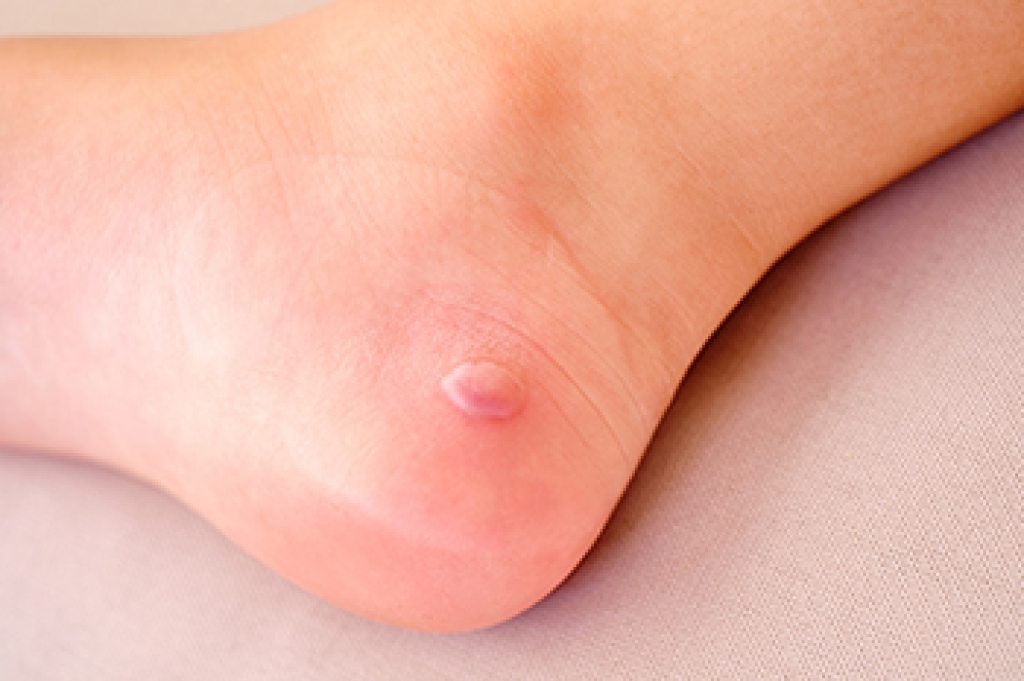
Blisters develop when repeated friction or pressure causes the upper layers of the skin to separate. The space between the layers fills with fluid, creating a small pocket that protects the damaged skin underneath. Blisters frequently appear on the heels, toes, or the balls of the feet. Wearing shoes that are too tight or shoes that lack proper support can increase friction and lead to blister formation. Long periods of activity, moisture, and foot deformities also can increase the risk. Symptoms include a raised area filled with clear fluid, tenderness, and pain while walking. Some blisters can break open, leaving the skin exposed and increasing the chance of infection. Patients with diabetes or poor circulation should receive prompt evaluation because even a small blister can become a serious foot problem.
A podiatrist performs a thorough examination to determine the cause of the blister and whether signs of infection are present. The evaluation includes checking the size and location of the blister, the condition of the surrounding skin, and the overall health of the foot. The podiatrist also looks for foot conditions, like bunions or hammertoes, that increase pressure and friction. Identifying the underlying cause is important because blisters are likely to return when the source of the problem is not corrected. Patients with repeated blisters can benefit from a complete foot evaluation to improve comfort and reduce future injuries.
Treatment focuses on protecting the skin while reducing pressure on the affected area. A podiatrist can safely drain a large or painful blister when necessary while preserving the healthy skin that covers it. Care also includes custom orthotics that improve foot alignment and distribute pressure more evenly. The podiatrist can recommend shoes that fit properly and provide good support to reduce friction while walking. Patients with infected blisters or deeper skin injuries receive prompt treatment to protect foot health and prevent complications. If you have symptoms of blisters, it is suggested that you schedule an appointment with a podiatrist for diagnosis and treatment.
Blisters are prone to making everyday activities extremely uncomfortable. If your feet are hurting, contact Dr. Ronald K. Olm of Grand Traverse Foot & Ankle Center. Our doctor can provide the care you need to keep you pain-free and on your feet.
Foot Blisters
Foot blisters develop as a result of constantly wearing tight or ill-fitting footwear. This happens due to the constant rubbing from the shoe, which can often lead to pain.
What Are Foot Blisters?
A foot blister is a small fluid-filled pocket that forms on the upper-most layer of the skin. Blisters are filled with clear fluid and can lead to blood drainage or pus if the area becomes infected.
How Do Blisters Form?
Blisters on the feet are often the result of constant friction of skin and material, usually by shoe rubbing. Walking in sandals, boots, or shoes that don’t fit properly for long periods of time can result in a blister. Having consistent foot moisture and humidity can easily lead to blister formation.
Prevention & Treatment
It is important to properly care for the affected area in order to prevent infection and ease the pain. Do not lance the blister and use a Band-Aid to provide pain relief. Also, be sure to keep your feet dry and wear proper fitting shoes. If you see blood or pus in a blister, seek assistance from a podiatrist.
If you have any questions, please feel free to contact our offices located in Traverse City, MI . We offer the newest diagnostic and treatment technologies for all your foot care needs.

Neuropathy in the feet, also called peripheral neuropathy, happens when the nerves that carry messages between the feet and the brain become damaged. This can affect feeling, movement, or both. Symptoms often begin gradually and may include numbness, tingling, or a burning sensation in the feet. Some people also experience sharp pain or find it difficult to feel heat, cold, or injuries. Because sensation is reduced, cuts, blisters, or sores may go unnoticed and become more serious. Neuropathy is commonly linked to diabetes, but it can also have other causes. Early diagnosis is important because nerve damage may worsen if the underlying problem is not identified and managed.
A podiatrist plays an important role in protecting foot health when neuropathy is present. During an examination, the podiatrist checks sensation, circulation, and overall foot function. They also look for skin changes, pressure areas, or wounds that may have developed without being noticed. Treatment depends on the cause and severity of the condition. A podiatrist may recommend medical treatments, custom orthotics, or other measures to reduce pressure on vulnerable areas of the feet. Regular evaluations also help identify changes early and lower the risk of complications that could affect mobility.
Professional neuropathy treatment and podiatry care can help protect the feet and reduce the risk of long-term problems. Early care may improve comfort, support safer movement, and help prevent complications caused by reduced feeling in the feet. A podiatrist can also work with your healthcare team to monitor changes and provide treatment as your needs change. Prompt evaluation is especially important if symptoms continue to worsen or begin affecting your balance and walking. If you have numbness, tingling, or burning in your feet, it is suggested that you consult a podiatrist for an evaluation.
Neuropathy
Neuropathy can be a potentially serious condition, especially if it is left undiagnosed. If you have any concerns that you may be experiencing nerve loss in your feet, consult with Dr. Ronald K. Olm from Grand Traverse Foot & Ankle Center. Our doctor will assess your condition and provide you with quality foot and ankle treatment for neuropathy.
What Is Neuropathy?
Neuropathy is a condition that leads to damage to the nerves in the body. Peripheral neuropathy, or neuropathy that affects your peripheral nervous system, usually occurs in the feet. Neuropathy can be triggered by a number of different causes. Such causes include diabetes, infections, cancers, disorders, and toxic substances.
Symptoms of Neuropathy Include:
Those with diabetes are at serious risk due to being unable to feel an ulcer on their feet. Diabetics usually also suffer from poor blood circulation. This can lead to the wound not healing, infections occurring, and the limb may have to be amputated.
Treatment
To treat neuropathy in the foot, podiatrists will first diagnose the cause of the neuropathy. Figuring out the underlying cause of the neuropathy will allow the podiatrist to prescribe the best treatment, whether it be caused by diabetes, toxic substance exposure, infection, etc. If the nerve has not died, then it’s possible that sensation may be able to return to the foot.
Pain medication may be issued for pain. Electrical nerve stimulation can be used to stimulate nerves. If the neuropathy is caused from pressure on the nerves, then surgery may be necessary.
If you have any questions, please feel free to contact our offices located in Traverse City, MI . We offer the newest diagnostic and treatment technologies for all your foot care needs.
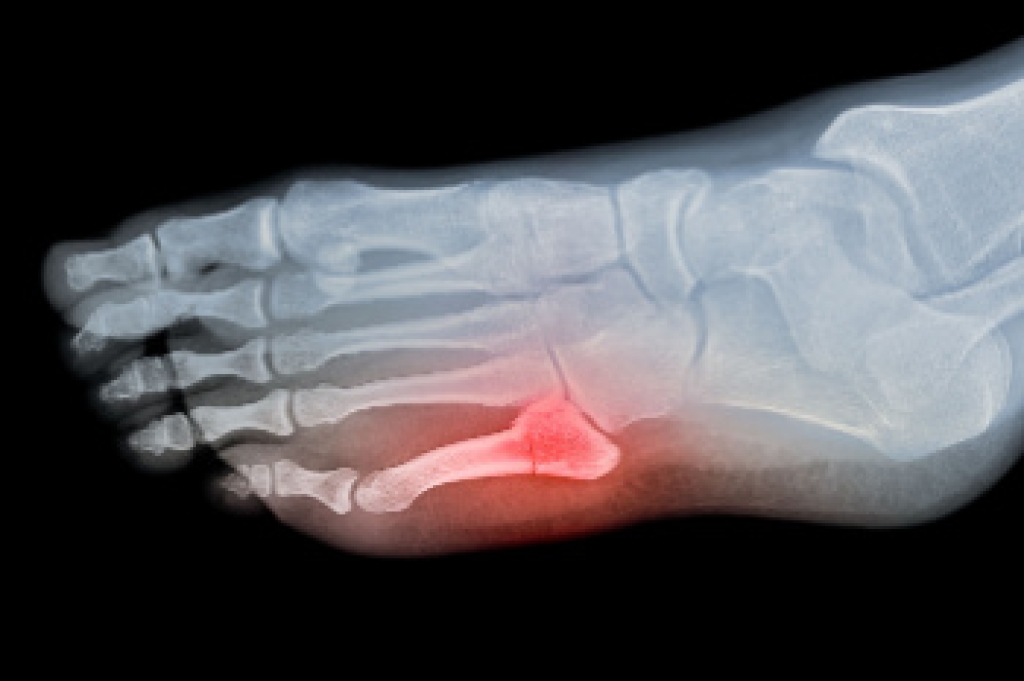
A metatarsal foot fracture is a break in one of the long bones located in the forefoot, which connect the midfoot to the toes. These bones play an important role in balance, walking, and weight distribution. A fracture in this area can range from a small stress crack to a complete break. Metatarsal fractures are common foot injuries and may occur suddenly due to trauma or gradually from repetitive stress over time.
Symptoms of a metatarsal fracture include sharp pain in the top or ball of the foot that worsens with movement or weight bearing. Swelling, bruising, and tenderness are also common, and the foot may appear visibly swollen or misshapen in more severe cases. Some individuals may feel a popping sensation at the time of injury. Walking often becomes difficult, and limping may develop as the body attempts to avoid pressure on the injured area.
There are several risk factors associated with metatarsal fractures. High-impact sports, such as running, basketball, or soccer, increase the likelihood of injury due to repetitive force on the forefoot. Wearing improper footwear that lacks support or cushioning can also contribute. Structural foot issues, such as high arches or abnormal gait patterns, may place uneven stress on the metatarsals. Bone conditions like osteoporosis can further weaken bone strength, increasing fracture risk.
The causes of metatarsal fractures include both acute trauma and overuse injuries. Acute fractures may result from a sudden injury, such as a direct blow to the foot or twisting of the ankle. Overuse fractures, often called stress fractures, develop gradually due to repeated strain without adequate rest. Early diagnosis is important to prevent complications and promote healing. If you have broken your foot, it is suggested that you promptly consult a podiatrist who can determine what the best treatment is for your type of fracture.
A broken foot requires immediate medical attention and treatment. If you need your feet checked, contact Dr. Ronald K. Olm from Grand Traverse Foot & Ankle Center. Our doctor can provide the care you need to keep you pain-free and on your feet.
Broken Foot Causes, Symptoms, and Treatment
A broken foot is caused by one of the bones in the foot typically breaking when bended, crushed, or stretched beyond its natural capabilities. Usually the location of the fracture indicates how the break occurred, whether it was through an object, fall, or any other type of injury.
Common Symptoms of Broken Feet:
Those that suspect they have a broken foot shoot seek urgent medical attention where a medical professional could diagnose the severity.
Treatment for broken bones varies depending on the cause, severity and location. Some will require the use of splints, casts or crutches while others could even involve surgery to repair the broken bones. Personal care includes the use of ice and keeping the foot stabilized and elevated.
If you have any questions, please feel free to contact our offices located in Traverse City, MI . We offer the newest diagnostic and treatment technologies for all your foot care needs.