Traverse City


(231) 922-9100

Like Us On Facebook

Blog

Living With and Caring for an Ostomy

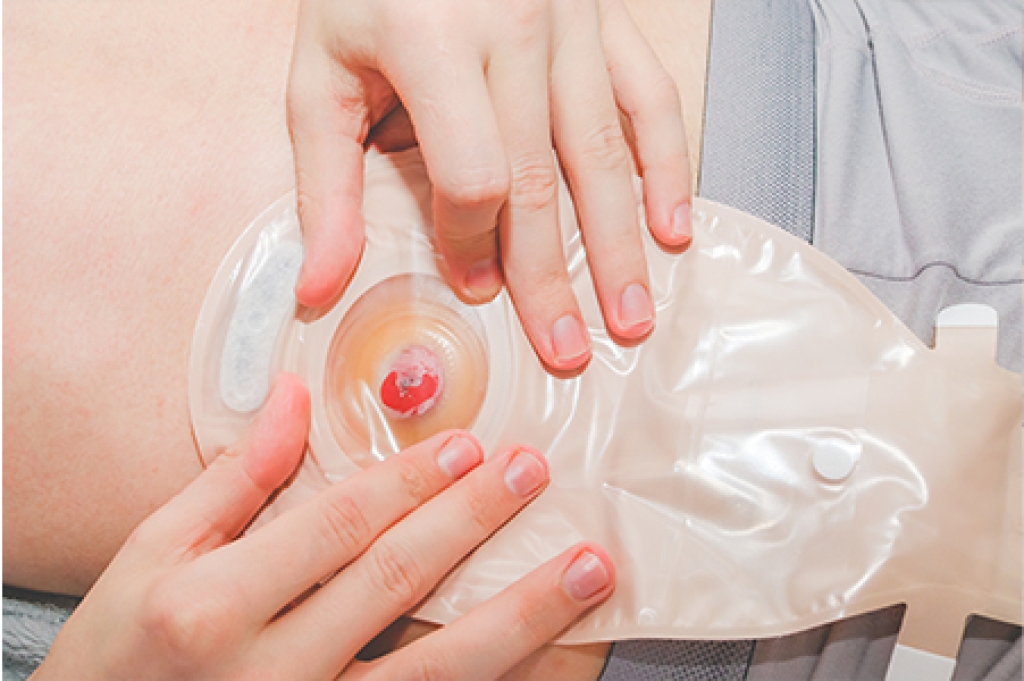
Ostomies are surgically created openings in the body that allow waste to leave when the normal digestive or urinary pathways are not working. The opening, called a stoma, is connected to a pouch that collects waste. Ostomies may be temporary or permanent, and are often needed after surgery for cancer, bowel disease, injury, or congenital conditions. People of all ages can have ostomies, from infants born with intestinal problems to adults recovering from illness or trauma. Daily care involves gently cleaning the skin around the stoma, regularly emptying or changing the pouch, and checking for signs of irritation. Proper fitting of the appliance is essential to prevent leaks and protect the skin. Many people with ostomies lead active, full lives with the right supplies, support, and education. For guidance and personalized care, it is suggested you speak with an ostomy specialist.

Ostomy Care and Support Services
Living with an ostomy can feel overwhelming, but with the right care and guidance, patients can regain comfort, confidence, and control in their lives. Our practice is dedicated to supporting individuals at every stage of their ostomy journey. Whether the surgery is new or long behind you, our specialists focus on helping you adapt comfortably and address any challenges that arise.
An ostomy is a surgically created opening that allows waste to leave the body through the abdomen. This can be necessary after certain medical conditions or surgeries involving the digestive or urinary system. Colostomy, ileostomy, and urostomy are common types of ostomies. Each requires specific care and attention, and our experienced team is skilled in managing all types.
Our specialist provides personalized care plans, beginning with detailed education on how to care for your stoma, or opening to the waste system, managing your pouching system, and protecting the surrounding skin. We also offer troubleshooting assistance for common issues such as leakage, skin irritation, and improper fit of appliances. Helping you achieve a secure and comfortable fit is one of our top priorities, as it can significantly impact your quality of life.
In addition to hands-on care, we believe education is empowering. Our team takes time to explain changes to your body, guide you through product options, and address emotional concerns with compassion. We understand that living with an ostomy is not only a physical adjustment but also an emotional one, and we are here to provide both clinical and personal support.
We work closely with your other possible healthcare providers to ensure seamless coordination of your care. From helping with pouching supplies to teaching skin protection techniques, our team is committed to helping you feel more at ease in your daily life.
Learn more about this procedure today. Our caring specialists are ready to help you navigate this journey with confidence and dignity.
What complications can occur with an ostomy?
Skin irritation, leakage, and stoma blockage are common concerns that may require medical attention or changes in pouching techniques.

Can you live a normal life with an ostomy?
Most people return to work, exercise, and travel after surgery, although adjustments in diet and pouch management are often necessary.

If you have any questions, please feel free to contact our offices located in Traverse City, MI . We offer the newest diagnostic and treatment technologies for all your foot care needs.
Read more about Ostomy

Common Causes and Types of Ankle Sprains

An ankle sprain affects the ligaments of the ankle, which are responsible for maintaining joint stability and alignment. This injury occurs when the ligaments are overstretched or torn due to excessive force or abnormal movement. Ankle sprains are frequently seen in both athletes and individuals performing daily activities. The injury can range from mild to severe, and may impact mobility and overall function if not managed properly. Understanding how ankle sprains develop can help individuals take preventive steps.

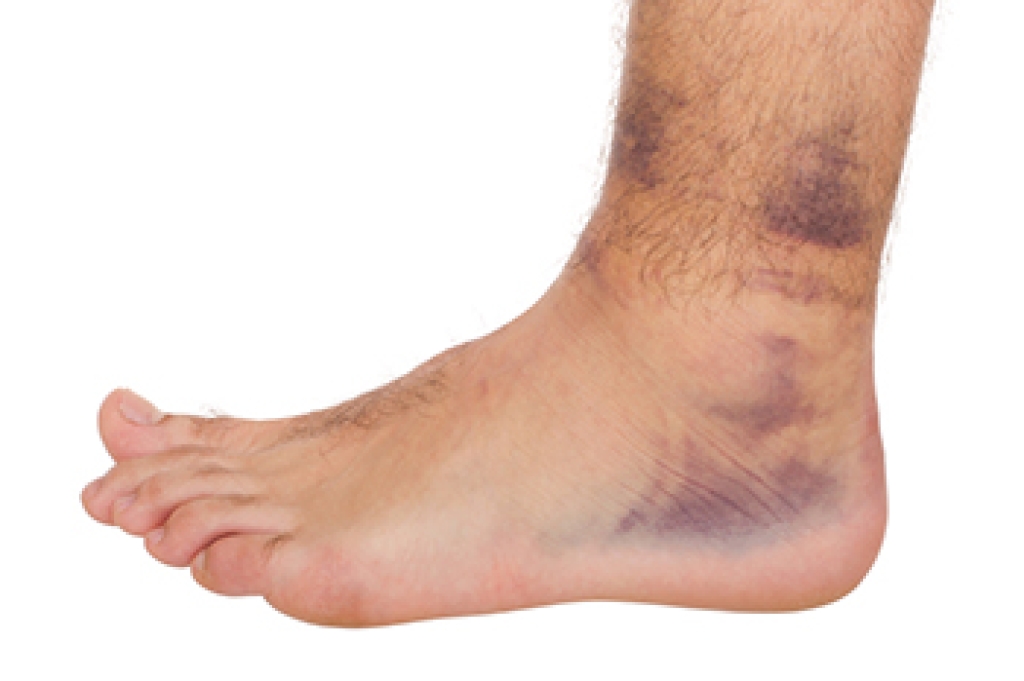
Symptoms often include swelling, pain, and difficulty walking. Some individuals may notice stiffness or a reduced ability to move the ankle comfortably. The causes of ankle sprains typically involve sudden twisting motions, missteps, or loss of balance. Risk factors include uneven walking surfaces, and weak or unstable joints. Individuals with a history of ankle injuries may also be more prone to recurring sprains. High risk factors include intense sports participation and lack of proper ankle support during movement.


There are different types of ankle sprains that affect specific ligaments. An inversion sprain is the most common and occurs when the foot rolls inward, placing strain on the outer ligaments. An eversion sprain is less common and involves the foot turning outward, affecting the inner ligaments. Additionally, a high ankle sprain involves the ligaments above the ankle joint and is often caused by a twisting motion combined with upward force. Sprains are also graded by severity. Grade one involves mild stretching, grade two includes partial tearing, and grade three reflects a complete ligament tear with significant instability.


Proper diagnosis and treatment are essential for restoring function and preventing chronic issues.  Supportive footwear and a gradual return to activity can aid recovery. Taking early action can improve healing outcomes and reduce complications. If you have sprained your ankle, it is suggested that you consult a podiatrist for effective relief and treatment solutions.

Ankle sprains are common but need immediate attention. If you need your feet checked, contact Dr. Ronald K. Olm from Grand Traverse Foot & Ankle Center. Our doctor can provide the care you need to keep you pain-free and on your feet.

How Does an Ankle Sprain Occur?

Ankle sprains take place when the ligaments in your ankle are torn or stretched beyond their limits. There are multiple ways that the ankle can become injured, including twisting or rolling over onto your ankle, putting undue stress on it, or causing trauma to the ankle itself.

What Are the Symptoms?

  • Mild to moderate bruising
  • Limited mobility
  • Swelling
  • Discoloration of the skin (depending on severity)

Preventing a Sprain

  • Wearing appropriate shoes for the occasion
  • Stretching before exercises and sports
  • Knowing your limits

Treatment of a Sprain

Treatment of a sprain depends on the severity.  Many times, people are told to rest and remain off their feet completely, while others are given an air cast. If the sprain is very severe, surgery may be required.

If you have suffered an ankle sprain previously, you may want to consider additional support such as a brace and regular exercises to strengthen the ankle.

If you have any questions please feel free to contact our offices located in Traverse City, MI . We offer the newest diagnostic tools and technology to treat your foot and ankle needs.

Read more about Three Grades of Ankle Sprains
Connect with us