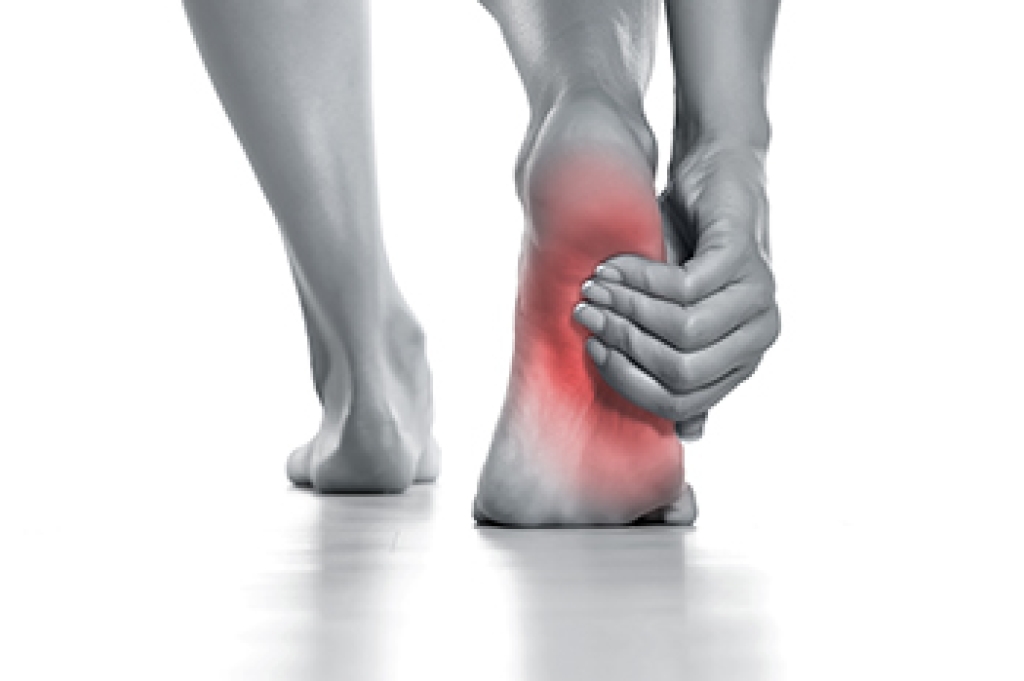
Pain along the arch of the foot can turn an ordinary walk into an uncomfortable task. The arch helps support body weight and absorb shock with each step. When the tissues supporting it become strained or injured, pain develops between the heel and the ball of the foot. Some patients describe a dull ache, while others notice sharp pain or burning. Discomfort might appear with the first steps after rest or worsen after prolonged standing. Although arch pain sometimes seems minor at first, recurring symptoms require podiatric attention. A podiatrist identifies the source and recommends treatment that addresses the underlying problem.
Several conditions cause arch pain, and foot shape sometimes contributes. Flat feet place extra strain on supporting tissues, while high arches concentrate pressure in smaller areas. Plantar fasciitis develops when the thick band of tissue along the sole becomes irritated. It frequently causes heel pain that extends into the arch. Another possible cause involves damage to the tendon that supports the inner arch, sometimes allowing the foot to flatten. Stress fractures, which are small cracks in a bone, also cause pain with activity. Sudden increases in exercise or wearing shoes that lack proper support add stress to the feet.
An evaluation starts with questions about when the pain began and what makes it worse. A podiatrist reviews previous injuries and examines the painful area for tenderness or swelling. Observing the patient stand and walk reveals how the arch responds to body weight. The examination also checks joint movement and muscle strength. X-rays help identify fractures or changes in bone alignment. An ultrasound or MRI scan provides more detail about damaged soft tissues when the examination suggests a tendon injury. Because several problems produce similar symptoms, an accurate diagnosis guides treatment rather than relying on the location of pain alone.
Podiatric treatment focuses on reducing strain and supporting the affected structures. Custom orthotics, which are prescription shoe inserts, redistribute pressure and improve support beneath the arch. A podiatrist might apply supportive taping or prescribe a brace to stabilize the foot. A walking boot protects certain injuries while damaged tissue heals. Follow-up visits allow the podiatrist to assess healing and adjust treatment. Surgery addresses selected structural problems or injuries when other treatments fail. Sudden severe pain or an inability to bear weight warrants prompt medical evaluation. If you are experiencing arch pain, it is suggested that you schedule an appointment with a podiatrist for a diagnosis and appropriate treatment.
Foot Pain
Foot pain can be extremely painful and debilitating. If you have a foot pain, consult with Dr. Ronald K. Olm from Grand Traverse Foot & Ankle Center. Our doctor will assess your condition and provide you with quality foot and ankle treatment.
Causes
Foot pain is a very broad condition that could be caused by one or more ailments. The most common include:
- Bunions
- Hammertoes
- Plantar Fasciitis
- Bone Spurs
- Corns
- Tarsal Tunnel Syndrome
- Ingrown Toenails
- Arthritis (such as Gout, Rheumatoid, and Osteoarthritis)
- Flat Feet
- Injury (from stress fractures, broken toe, foot, ankle, Achilles tendon ruptures, and sprains)
- And more
Diagnosis
To figure out the cause of foot pain, podiatrists utilize several different methods. This can range from simple visual inspections and sensation tests to X-rays and MRI scans. Prior medical history, family medical history, and any recent physical traumatic events will all be taken into consideration for a proper diagnosis.
Treatment
Treatment depends upon the cause of the foot pain. Whether it is resting, staying off the foot, or having surgery; podiatrists have a number of treatment options available for foot pain.
If you have any questions, please feel free to contact our offices located in Traverse City, MI . We offer the newest diagnostic and treatment technologies for all your foot care needs.